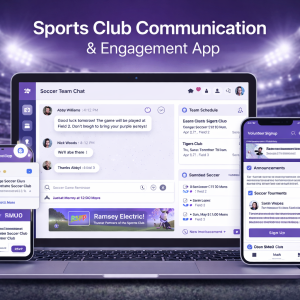
Running a youth sports club today isn’t just about organizing games — it’s about keeping players, parents, coaches, and sponsors connected.
Missed emails.
Group chats that nobody checks.
Parents unsure about schedules.
Players dropping out mid-season.
Sponsors feeling ignored.
Poor communication is one of the top reasons youth sports clubs lose members every season.
That’s why modern organizations are moving toward a centralized Sports Club Communication & Engagement Platform — a system that brings messaging, updates, scheduling, payments, and community interaction into one place.
What is a Sports Club Communication Platform?
A Sports Club Communication Platform is software that allows clubs to:
✔ Communicate with players and parents
✔ Send real-time updates
✔ Manage announcements
✔ Track engagement
✔ Share schedules
✔ Send reminders
✔ Coordinate volunteers
✔ Manage team communications
✔ Engage sponsors
✔ Collect feedback
Instead of using:
-
Email
-
WhatsApp
-
Facebook Groups
-
Text Messages
-
Paper schedules
-
Spreadsheet rosters
Clubs use one unified platform to manage all communications and engagement.
Why Youth Sports Clubs Struggle with Communication
Many youth clubs rely on disconnected tools such as:
-
Email newsletters
-
TeamSnap messaging
-
Facebook group chats
-
SMS threads
-
Volunteer spreadsheets
-
Printed schedules
This creates communication gaps such as:
-
Parents missing game updates
-
Coaches unaware of roster changes
-
Players forgetting practices
-
Sponsors not receiving exposure
-
Volunteers missing assignments
-
Members not attending events
When communication breaks down:
👉 Player retention drops
👉 Parent satisfaction declines
👉 Volunteer participation decreases
👉 Sponsorship engagement disappears
How Communication Impacts Player Retention
According to youth sports participation data:
Clubs that maintain regular engagement with members are significantly more likely to retain players season-to-season.
Engagement includes:
-
Practice reminders
-
Game notifications
-
Club announcements
-
Event invitations
-
Sponsorship messages
-
Community updates
-
Player performance feedback
A communication platform keeps families informed and involved — which directly improves retention rates.
Key Features of a Sports Club Engagement Platform
📩 Central Messaging System
Send messages to:
-
Entire club
-
Individual teams
-
Coaches
-
Volunteers
-
Sponsors
-
Parents
-
Players
Avoid missed emails or scattered chats.
📅 Event Notifications & Alerts
Automatically notify members about:
-
Game time changes
-
Practice cancellations
-
Tournament schedules
-
Fundraising events
-
Club meetings
📱 Mobile Communication
Parents and players receive:
-
Push notifications
-
Schedule reminders
-
Event updates
-
Volunteer requests
-
Club announcements
Directly on their mobile device.
🤝 Sponsor Communication
Clubs can:
-
Update sponsors
-
Share engagement metrics
-
Display sponsor visibility
-
Promote sponsored events
-
Provide campaign reporting
Keeping sponsors informed improves long-term funding relationships.
🧑🤝🧑 Volunteer Coordination
Organize:
-
Game day volunteers
-
Transportation
-
Snack schedules
-
Event staff
-
Tournament helpers
All from a single platform.
📊 Member Engagement Tracking
Monitor:
-
Message open rates
-
Event attendance
-
Volunteer signups
-
Sponsor interactions
-
Registration engagement
This allows clubs to measure participation across the season.
Benefits for Youth Sports Clubs
A centralized communication platform helps clubs:
-
Improve player retention
-
Increase parent satisfaction
-
Strengthen sponsor relationships
-
Reduce administrative workload
-
Increase volunteer participation
-
Improve club organization
-
Promote fundraising campaigns
-
Share team announcements instantly
Communication for League & Tournament Management
Clubs organizing leagues or tournaments can also:
-
Send match reminders
-
Share standings updates
-
Post results
-
Notify teams of bracket changes
-
Send weather cancellations
-
Promote tournament sponsors
Communication is critical during multi-team events.
Communication & Sponsorship Engagement
Sponsors expect:
-
Visibility
-
Engagement
-
Reporting
-
Brand presence
A communication platform enables:
✔ Sponsor announcements
✔ Sponsored events
✔ Digital banners
✔ Community promotions
✔ Funding updates
Helping clubs maintain long-term partnerships.
How Play 2 Earn Sports Supports Club Communication
The Play 2 Earn Sports Communication & Engagement Platform allows clubs to:
-
Message players and parents
-
Share schedules
-
Promote events
-
Manage volunteers
-
Engage sponsors
-
Coordinate teams
-
Send real-time updates
-
Monitor engagement
All without requiring multiple apps or manual coordination.
Frequently Asked Questions
How do sports clubs communicate with parents?
Through centralized messaging platforms that provide mobile notifications, emails, and announcements.
What is the best way to manage team communication?
Using a club communication system that integrates messaging with scheduling and roster management.
How can clubs improve player retention?
By improving communication, engagement, and event participation throughout the season.
How do clubs keep sponsors engaged?
By providing updates, exposure opportunities, and communication reporting through digital platforms.
Can communication platforms replace email lists?
Yes — modern platforms combine messaging, scheduling, and engagement into one unified system.
The Communication Problem Most Youth Sports Clubs Don’t Realize They Have
Many youth sports organizations believe they have a communication system in place simply because they send emails or maintain a group chat.
However, communication in youth sports today is far more complex than it was even five years ago.
Clubs are now responsible for coordinating:
-
Player schedules
-
Parent communications
-
Volunteer assignments
-
League updates
-
Tournament logistics
-
Sponsor exposure
-
Fundraising campaigns
-
Team announcements
-
Safety alerts
-
Weather delays
-
Facility changes
-
Equipment updates
-
Event reminders
When all of this information is distributed across multiple platforms — such as email threads, Facebook groups, messaging apps, and spreadsheets — information becomes fragmented.
This leads to what many administrators call:
Communication Fatigue
Parents stop checking emails.
Players ignore group chats.
Volunteers miss assignments.
Coaches become overwhelmed with administrative messaging.
Eventually, communication stops being effective — even if it’s technically still happening.
A centralized Sports Club Communication & Engagement Platform eliminates this fragmentation by bringing every form of communication into one structured system.
The Hidden Cost of Poor Communication in Youth Sports
Communication issues don’t just create inconvenience — they create measurable losses for youth sports clubs.
These losses often include:
-
Missed practices due to outdated schedules
-
Player withdrawals from lack of engagement
-
Volunteer shortages during events
-
Sponsor dissatisfaction due to lack of visibility
-
Reduced fundraising participation
-
Late registrations
-
Game-day confusion
-
Tournament attendance issues
-
Poor parent experience
-
Increased administrative workload
Clubs that experience frequent communication breakdowns often notice:
📉 Lower season-to-season retention
📉 Reduced volunteer participation
📉 Lower sponsor renewal rates
📉 Increased administrative time spent on messaging
📉 Missed payment reminders
📉 Reduced community involvement
In many cases, communication problems indirectly result in:
-
Fewer registered players next season
-
Reduced club revenue
-
Higher administrative burnout
-
Increased operational stress for coaches
Communication & Parent Satisfaction
Parents today expect:
-
Real-time schedule updates
-
Automated reminders
-
Clear team announcements
-
Easy access to event information
-
Volunteer coordination
-
Registration notifications
-
Payment reminders
-
Tournament logistics
-
Fundraising updates
When parents do not receive timely or organized communication, it can create frustration.
Common complaints include:
-
“We didn’t know practice was canceled.”
-
“Nobody told us about the tournament.”
-
“We missed registration deadlines.”
-
“We didn’t know volunteers were needed.”
-
“Schedules keep changing.”
A centralized engagement platform improves parent satisfaction by providing:
✔ Mobile push notifications
✔ In-app messaging
✔ Real-time updates
✔ Automated alerts
✔ Event reminders
✔ Registration confirmations
Satisfied parents are significantly more likely to:
-
Re-register players
-
Volunteer at events
-
Support fundraising initiatives
-
Recommend the club to others
Coach Communication Efficiency
Coaches frequently spend several hours each week communicating with:
-
Players
-
Parents
-
Team managers
-
Volunteers
-
League officials
Without a centralized communication system, coaches often rely on:
-
Email chains
-
SMS group chats
-
Personal messaging apps
-
Printed schedules
-
Shared spreadsheets
This creates unnecessary administrative workload that takes time away from actual player development.
With a communication platform, coaches can:
-
Send practice updates instantly
-
Share lineup changes
-
Notify roster updates
-
Coordinate training sessions
-
Provide performance feedback
-
Share tournament logistics
All from one dashboard.
Volunteer Engagement & Coordination
Volunteers are essential to youth sports organizations, yet many clubs struggle with:
-
Volunteer scheduling
-
Event staffing
-
Transportation coordination
-
Snack schedules
-
Tournament staffing
-
Fundraising assistance
A Sports Club Engagement Platform allows administrators to:
✔ Assign volunteer roles
✔ Send shift reminders
✔ Track volunteer participation
✔ Manage event staffing
✔ Coordinate tournament helpers
✔ Monitor volunteer engagement
Improved volunteer coordination reduces last-minute staffing shortages during games and tournaments.
Club-Wide Announcements & Event Promotion
Clubs often host:
-
Registration drives
-
Fundraising campaigns
-
Community events
-
League meetings
-
Training sessions
-
Sponsor events
-
Tryouts
-
Player development clinics
Without an organized communication platform, event promotion may be inconsistent.
A centralized system allows clubs to:
-
Broadcast announcements to all members
-
Promote fundraising initiatives
-
Share club-wide updates
-
Send automated event reminders
-
Track RSVP participation
-
Notify members of event changes
This improves attendance and participation across club activities.
Real-Time Schedule Synchronization
Scheduling changes are one of the most common communication challenges in youth sports.
Weather conditions, facility availability, tournament logistics, or league adjustments may require:
-
Practice cancellations
-
Game rescheduling
-
Tournament bracket updates
-
Venue changes
-
Match time adjustments
A communication platform automatically notifies:
-
Players
-
Parents
-
Coaches
-
Volunteers
-
Team managers
Ensuring everyone receives updates simultaneously.
Communication for Multi-Team Clubs
Clubs that operate multiple teams or divisions often struggle with:
-
Cross-team communication
-
Division-specific announcements
-
Age group scheduling
-
Tournament updates
-
League standings
-
Coaching staff coordination
A centralized platform allows messaging by:
-
Team
-
Division
-
Age group
-
Coaching staff
-
Volunteer groups
-
Sponsors
Ensuring relevant information reaches the correct audience.
Sponsor Engagement Through Communication
Sponsors want more than logos on uniforms.
They expect:
-
Brand visibility
-
Digital exposure
-
Event promotion
-
Community recognition
-
Engagement reporting
A communication platform allows clubs to:
✔ Promote sponsor announcements
✔ Share sponsored events
✔ Include sponsor messaging
✔ Display digital banners
✔ Provide engagement metrics
✔ Share fundraising updates
Keeping sponsors informed increases the likelihood of long-term funding partnerships.
Fundraising Communication Integration
Fundraising participation improves when:
-
Campaigns are promoted consistently
-
Members receive reminders
-
Sponsors are highlighted
-
Events are announced
-
Participation is tracked
Communication platforms allow clubs to:
-
Send fundraising alerts
-
Promote donation campaigns
-
Notify members of progress
-
Encourage volunteer participation
-
Share sponsor contributions
Improving fundraising engagement across the club.
Engagement Tracking & Analytics
Modern platforms provide insights into:
-
Message delivery rates
-
Open rates
-
Event attendance
-
Volunteer participation
-
Registration engagement
-
Fundraising involvement
This allows administrators to measure:
-
Member participation
-
Community involvement
-
Communication effectiveness
Helping clubs adjust engagement strategies over time.
Communication & League Management
For league or tournament organizers, communication platforms help:
-
Notify teams of match schedules
-
Share standings updates
-
Post tournament brackets
-
Send cancellation alerts
-
Promote tournament sponsors
-
Provide real-time event updates
This reduces confusion during multi-team competitions.
Why Centralized Communication Matters for Club Growth
Youth sports organizations are increasingly:
-
Expanding teams
-
Hosting tournaments
-
Partnering with sponsors
-
Running fundraising campaigns
-
Managing larger memberships
As clubs grow, communication complexity increases.
A centralized engagement platform helps clubs:
-
Scale operations
-
Maintain member satisfaction
-
Reduce administrative workload
-
Improve retention
-
Support sponsor relationships
-
Coordinate events efficiently
Play 2 Earn Sports Communication & Engagement Platform
The Play 2 Earn Sports platform provides:
✔ Central messaging
✔ Team announcements
✔ Event reminders
✔ Volunteer coordination
✔ Sponsor engagement
✔ Schedule updates
✔ Tournament notifications
✔ Fundraising promotion
✔ Engagement analytics
All within one integrated system.
Conclusion
Effective communication is essential to the long-term success of youth sports organizations.
Clubs that adopt centralized communication and engagement platforms are better equipped to:
-
Retain players
-
Engage families
-
Support volunteers
-
Promote sponsors
-
Coordinate teams
-
Manage events
-
Improve fundraising
-
Reduce administrative workload
With improved communication infrastructure, clubs can focus on developing athletes and strengthening their community — rather than managing scattered messages across disconnected tools.