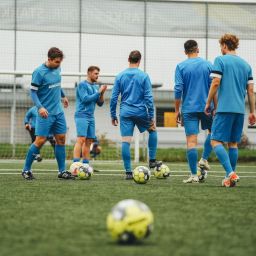
In the ever-evolving landscape of youth sports, the need for sports clubs promote their teams”>sports clubs to modernize their operations has become increasingly evident. The traditional methods of managing sports clubs, which often rely on manual processes and outdated technology, can hinder the efficiency, growth, and overall success of the club. Modernizing operations can significantly enhance the experience for athletes, parents, and staff alike, by streamlining processes, improving communication, and increasing opportunities for development. This article will delve into the ways sports clubs can modernize their operations, focusing on practical tips, explanations, and guidance related to sports participation, training, and club involvement.
Understanding the Need for Modernization
Before embarking on the journey of modernization, it’s crucial for sports clubs to understand the current state of their operations and identify areas that require improvement. This involves assessing the club’s infrastructure, technology, communication channels, and administrative processes. By recognizing the shortcomings of traditional methods, clubs can set clear goals for what they aim to achieve through modernization. Whether it’s to reduce administrative burdens, enhance player development, or improve parent engagement, having a clear vision is essential for guiding the modernization process.
Assessing Current Operations
The first step in modernizing operations is to conduct a thorough assessment of the club’s current state. This includes evaluating the use of technology, the efficiency of administrative tasks, the effectiveness of communication with athletes and parents, and the quality of training and development programs. This assessment will help identify bottlenecks and areas where modernization can have the most significant impact. For instance, many clubs still rely on paper-based registration processes, manual payment systems, and outdated communication methods, which can be time-consuming and prone to errors. Identifying these areas provides a solid foundation for planning the modernization strategy.
Implementing Technology Solutions
One of the most effective ways sports clubs can modernize their operations is by embracing technology. There are numerous software solutions and digital tools designed specifically for sports clubs, which can automate administrative tasks, enhance communication, and provide valuable insights into club operations. For example, online registration and payment systems can simplify the process for parents, reducing the administrative burden on club staff. Similarly, communication platforms can keep athletes and parents informed about schedules, training sessions, and important announcements, fostering a sense of community and engagement.
Digital Communication Platforms
Digital communication platforms are indispensable for modern sports clubs. These platforms can facilitate instant communication between coaches, athletes, and parents, ensuring that everyone is well-informed and up-to-date. Features such as push notifications, email updates, and mobile apps can be particularly useful for sending reminders about upcoming events, sharing news, and providing real-time updates during competitions. Moreover, these platforms can be used to share educational content, training tips, and nutritional advice, contributing to the holistic development of young athletes.
Enhancing Training and Development Programs
Modernizing operations also involves enhancing training and development programs to provide athletes with the best possible opportunities for growth. This can be achieved by adopting innovative training methods, investing in sports science and technology, and providing access to experienced coaches and mentors. For instance, the use of video analysis software can help athletes improve their technique, while strength and conditioning programs can enhance their physical performance. Additionally, clubs can organize workshops, clinics, and camps, offering athletes a chance to learn from experts and interact with peers from other clubs.
Personalized Development Plans
A key aspect of modernizing training and development programs is the creation of personalized development plans for each athlete. These plans take into account the athlete’s strengths, weaknesses, goals, and learning style, providing a tailored approach to development. By leveraging data and insights from sports technology, coaches can create more effective training programs, monitor progress, and make data-driven decisions to support athlete development. This personalized approach not only enhances the athlete’s experience but also increases the likelihood of achieving their full potential.
Increasing Opportunities for Players
Modern sports clubs should also focus on increasing opportunities for players, both within the club and beyond. This can involve establishing partnerships with other clubs, organizing friendly matches and tournaments, and providing pathways for athletes to compete at higher levels. By creating a network of opportunities, clubs can help athletes gain more experience, develop their skills in different environments, and potentially attract the attention of scouts and talent identifiers.
Community Engagement and Outreach
Engaging with the local community and outreach programs is another vital aspect of modernizing sports club operations. Clubs can organize community events, such as festivals, fundraisers, and coaching clinics, which help build relationships with local schools, businesses, and residents. This not only promotes the club and its values but also contributes to the development of youth sports in the area. Furthermore, outreach programs can help identify and support talented athletes from underprivileged backgrounds, ensuring that everyone has an equal opportunity to participate and develop their skills.
Conclusion
Modernizing operations is a critical step for sports clubs aiming to provide the best possible experience for athletes, parents, and staff. By embracing technology, enhancing training and development programs, increasing opportunities for players, and engaging with the community, clubs can streamline their processes, improve communication, and foster a positive, inclusive environment. As the sports landscape continues to evolve, the importance of modernization will only continue to grow, making it essential for clubs to stay ahead of the curve and adapt to the changing needs of athletes, parents, and the sport as a whole. By doing so, sports clubs can ensure they remain relevant, competitive, and committed to the development of young athletes, both on and off the field.