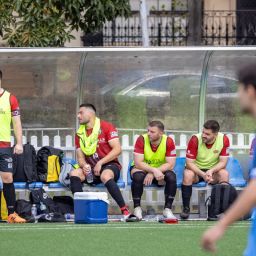
In the realm of youth sports, particularly in team sports like soccer, basketball, and hockey, tracking goals and assists“>goals and assists is a crucial aspect of player development, team strategy, and overall club performance. For athletes, parents, and sports clubs, understanding how to effectively track and utilize these statistics can provide valuable insights into player skills, team dynamics, and areas for improvement. This article delves into the methods, tools, and best practices that clubs can employ to track goals and assists, enhancing their training, development, and competitive edge.
Introduction to Goal and Assist Tracking
Goal and assist tracking is not just about keeping score; it’s a comprehensive approach to analyzing player performance, identifying strengths and weaknesses, and making informed decisions about team composition and strategy. For youth sports clubs, this process is especially important as it helps in the development of young athletes, providing them with feedback that can guide their training and improvement.
Why Track Goals and Assists?
Tracking goals and assists offers several benefits for clubs, including:
- Enhanced Player Development: By analyzing goals and assists, coaches can identify areas where players excel and where they need improvement. This data can be used to tailor training sessions to the specific needs of each player.
- Team Strategy: Understanding which players are most effective in scoring and assisting can help coaches develop winning strategies, such as pairing players who complement each other’s skills.
- Motivation and Engagement: Recognizing and rewarding players for their achievements can boost morale and motivation, encouraging them to work harder and strive for excellence.
- Parental Engagement: Providing parents with detailed statistics on their child’s performance can keep them engaged and supportive of the club’s efforts, fostering a sense of community.
- Score Sheets: One of the simplest methods is using score sheets during games. This involves having a designated person record each goal and assist as it happens.
- Post-Game Reports: Coaches or team managers can submit reports after each game, detailing the goals and assists.
- Sports Management Platforms: Many sports management platforms offer features for tracking player statistics, including goals and assists. These platforms can automate the process, making it easier to analyze data over time.
- Mobile Apps: There are several mobile apps designed specifically for tracking sports statistics. These apps can be used in real-time during games and often provide additional features such as video analysis and player feedback tools.
- Consistency: Establish a consistent method for tracking goals and assists across all teams and games.
- Accuracy: Ensure that the data collected is accurate. Double-checking statistics, especially in high-stakes games, can prevent errors.
- Feedback Loop: Create a feedback loop where players receive regular updates on their performance. This can be through team meetings, individual sessions with coaches, or access to their statistics online.
- Privacy and Security: When using digital tools, ensure that player data is protected and adheres to privacy laws and regulations.
- Early Identification: Tracking goals and assists can help in the early identification of talented players who may require additional support or more challenging training to reach their full potential.
- Personalized Feedback: Provide players with personalized feedback based on their performance data. This can include tips on how to improve their scoring or assisting capabilities.
- Position-Specific Training: Use data to identify the most effective positions for each player and tailor training sessions accordingly.
- Lineup Decisions: Data on goals and assists can inform decisions about team lineups, ensuring that the most effective combinations of players are on the field.
- Game Planning: Analyze opponents’ strengths and weaknesses based on their goal and assist statistics to develop effective game plans.
Methods for Tracking Goals and Assists
Clubs can employ various methods to track goals and assists, ranging from manual recording to using advanced sports analytics software. The choice of method depends on the club’s resources, the level of detail required, and the ease of use.
Manual Recording
Digital Tools and Software
Best Practices for Effective Tracking
To ensure that goal and assist tracking is effective and beneficial for the club and its players, consider the following best practices:
Utilizing Data for Player Development
The data collected from tracking goals and assists is only useful if it is utilized effectively to enhance player development. Here are some ways clubs can use this data:
Identifying Talent
Tailored Training
Team Strategy Development
Conclusion
Tracking goals and assists is a fundamental aspect of youth sports development, offering clubs a powerful tool to enhance player performance, inform team strategy, and foster a competitive edge. By adopting effective methods for data collection and utilizing best practices for analysis and feedback, clubs can unlock the full potential of their players and teams. Whether through manual recording or the use of advanced digital tools, the key to successful goal and assist tracking is consistency, accuracy, and a commitment to using the data to drive continuous improvement. As clubs navigate the world of youth sports, embracing this approach can lead to more engaged players, satisfied parents, and a more successful sporting community.