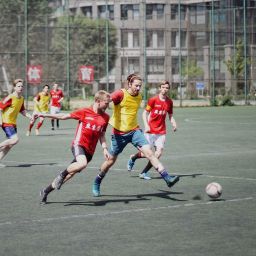
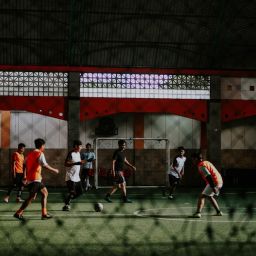
Youth clubs play a vital role in the development of How Can Clubs Motivate Young Athletes”>young athletes, providing them with the necessary training, guidance, and opportunities to hone their skills and reach their full potential. The development of athletes in youth clubs is a multifaceted process that involves a combination of technical training, physical conditioning, mental preparation, and social development. In this article, we will explore the ways in which youth clubs develop athletes, and provide helpful advice for athletes, parents, and sports clubs.
Introduction to Youth Club Development
Youth clubs are organizations that provide young athletes with the opportunity to participate in sports, develop their skills, and compete against other teams. These clubs are typically run by experienced coaches and trainers who have a passion for developing young athletes. The primary goal of a youth club is to provide a supportive and structured environment that allows athletes to develop their physical, technical, and mental abilities.
Technical Development
One of the primary ways in which youth clubs develop athletes is through technical training. This involves teaching athletes the fundamental skills and techniques of their sport, such as dribbling in soccer, shooting in basketball, or serving in tennis. Technical training is typically provided by experienced coaches who have a deep understanding of the sport and can provide personalized feedback and guidance to athletes. Youth clubs often have a structured training program that includes drills, exercises, and games designed to improve athletes’ technical skills.
Age-Specific Training
Youth clubs understand that athletes develop at different rates, and that age-specific training is essential for optimal development. For example, younger athletes (ages 6-10) require more fundamental technical training, such as learning basic movement patterns and developing hand-eye coordination. Older athletes (ages 11-14) require more advanced technical training, such as developing game-specific skills and learning tactics and strategies. Youth clubs typically have different training programs for different age groups, ensuring that athletes receive the training they need to develop their skills.
Physical Development
In addition to technical training, youth clubs also focus on physical development. This involves improving athletes’ strength, speed, agility, and endurance through a combination of conditioning exercises and physical training. Physical development is essential for athletes to perform at their best, and to reduce the risk of injury. Youth clubs often have a strength and conditioning program that includes exercises such as weightlifting, plyometrics, and cardio training.
Injury Prevention
Youth clubs also prioritize injury prevention, recognizing that injuries can have a significant impact on an athlete’s development and overall well-being. To prevent injuries, youth clubs often have a comprehensive injury prevention program that includes warm-up routines, stretching exercises, and conditioning drills. Athletes are also taught how to properly care for their bodies, including how to fuel themselves with a balanced diet, stay hydrated, and get enough rest and recovery.
Mental Preparation
Mental preparation is another critical aspect of Clubs Support Athlete Development”>athlete development in youth clubs. This involves teaching athletes the skills and strategies they need to perform at their best, including goal-setting, focus, and resilience. Youth clubs often have a sports psychologist or mental performance coach who works with athletes to develop their mental toughness and confidence. Mental preparation is essential for athletes to overcome obstacles, bounce back from setbacks, and stay motivated and focused on their goals.
Team Building and Social Development
Youth clubs also recognize the importance of team building and social development in athlete development“>athlete development. This involves creating a positive and supportive team culture that promotes camaraderie, communication, and teamwork. Athletes learn important life skills such as leadership, teamwork, and sportsmanship, which are essential for success both on and off the field. Youth clubs often have team-building activities and social events that help athletes develop strong relationships with their teammates and coaches.
Opportunities for Athletes
Youth clubs provide athletes with a range of opportunities to develop their skills and compete against other teams. These opportunities include:
- League and tournament play
- Training camps and clinics
- Coaching and mentoring from experienced coaches
- Access to sports science and medicine support
- Opportunities to represent their club and country in national and international competitions
- Set clear and achievable goals for yourself, both short-term and long-term
- Be willing to put in the time and effort required to develop your skills
- Listen to feedback and guidance from your coaches and trainers
- Take care of your body through proper nutrition, hydration, and recovery
- Stay focused and motivated, even in the face of setbacks and challenges
- Encourage your child to participate in sports and physical activity
- Provide a supportive and positive environment that promotes learning and development
- Help your child set realistic goals and expectations
- Communicate regularly with your child’s coaches and trainers to stay informed about their progress
- Prioritize your child’s well-being and safety above winning and success
- Hire experienced and qualified coaches and trainers who are passionate about developing young athletes
- Create a structured training program that includes technical, physical, and mental development
- Prioritize athlete well-being and safety, including injury prevention and management
- Foster a positive and supportive team culture that promotes camaraderie and teamwork
- Provide opportunities for athletes to compete and develop their skills, including league and tournament play, training camps, and coaching and mentoring.
Advice for Athletes
If you are an athlete looking to develop your skills and reach your full potential, here are some tips to keep in mind:
Advice for Parents
If you are a parent looking to support your child’s athletic development, here are some tips to keep in mind:
Advice for Sports Clubs
If you are a sports club looking to develop athletes and provide a positive and supportive environment, here are some tips to keep in mind:
In conclusion, youth clubs play a critical role in the development of young athletes, providing them with the necessary training, guidance, and opportunities to hone their skills and reach their full potential. By focusing on technical development, physical development, mental preparation, and social development, youth clubs can How Can Clubs Help Athletes Reach the Next Level”>help athletes develop into confident, capable, and well-rounded individuals who are equipped to succeed both on and off the field. Whether you are an athlete, parent, or sports club, by following the advice and guidance outlined in this article, you can help support the development of young athletes and provide them with the opportunities they need to thrive.