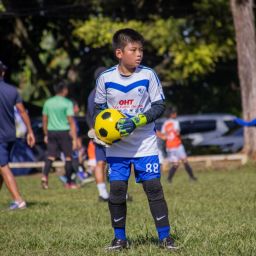
In today’s digital age, having a strong online presence is crucial for sports clubs to reach a wider audience, attract new members, and stay ahead of the competition. A well-established online presence can help clubs promote their brand, share updates, and provide valuable information to athletes, parents, and the community. In this article, we will explore the ways in which clubs can improve their online presence, providing helpful advice and practical tips for athletes, parents, and sports clubs.
Understanding the Importance of Online Presence
Having a strong online presence is no longer a luxury, but a necessity for sports clubs. It allows clubs to showcase their activities, share success stories, and provide updates on upcoming events. A well-maintained online presence can also help clubs attract new members, sponsors, and volunteers. Moreover, it provides a platform for clubs to share their values, mission, and vision, helping to build a strong brand identity.
Building a Website
A website is the foundation of a club’s online presence. It provides a central hub for information, news, and updates, and is often the first point of contact for potential members, parents, and sponsors. When building a website, clubs should consider the following:
Choosing a Domain Name
The domain name should be easy to remember, relevant to the club’s name, and available. It’s also important to choose a domain name that is not already in use by another organization.
Selecting a Web Hosting Service
A reliable web hosting service is essential to ensure that the website is always available and runs smoothly. Clubs should consider factors such as storage space, bandwidth, and customer support when selecting a web hosting service.
Designing a User-Friendly Website
The website should be visually appealing, easy to navigate, and optimized for mobile devices. Clubs should consider using a content management system (CMS) such as WordPress or Joomla to make it easy to update and manage the website.
Leveraging Social Media
Social media is a powerful tool for sports clubs to reach a wider audience, engage with members, and share updates. Clubs should consider the following:
Choosing the Right Platforms
Clubs should choose social media platforms that are popular with their target audience. For example, Facebook and Instagram are great for sharing updates, photos, and videos, while Twitter is ideal for sharing short updates and engaging with members.
Creating Engaging Content
Clubs should create content that is engaging, informative, and relevant to their audience. This can include updates on upcoming events, photos and videos of training sessions and matches, and news about club achievements.
Using Hashtags
Hashtags can help clubs increase their visibility and reach a wider audience. Clubs should use relevant hashtags, such as #youthsports or #sportsdevelopment, to make it easy for people to find and share their content.
Creating Valuable Content
Creating valuable content is essential to attract and retain members, as well as to establish the club as a thought leader in the sports industry. Clubs should consider the following:
Blogging
Blogging is a great way to share knowledge, expertise, and experiences. Clubs can write about topics such as training tips, nutrition advice, and injury prevention.
Video Content
Video content is a great way to showcase the club’s activities, share testimonials, and provide coaching tips. Clubs can use platforms such as YouTube or Vimeo to host their videos.
Newsletters
Newsletters are a great way to keep members informed about upcoming events, news, and updates. Clubs can use email marketing platforms such as Mailchimp or Constant Contact to create and send newsletters.
Engaging with the Community
Engaging with the community is essential to build a strong online presence. Clubs should consider the following:
Responding to Comments and Messages
Clubs should respond promptly to comments and messages on social media and their website. This helps to build trust and shows that the club values its members’ feedback and opinions.
Hosting Webinars and Online Events
Hosting webinars and online events is a great way to engage with members, provide valuable information, and build a sense of community. Clubs can use platforms such as Zoom or Google Meet to host webinars and online events.
Collaborating with Other Clubs and Organizations
Collaborating with other clubs and organizations is a great way to build relationships, share knowledge, and provide opportunities for members. Clubs can participate in online forums, join social media groups, and attend webinars and conferences to connect with other clubs and organizations.
Measuring and Evaluating Online Presence
Measuring and evaluating online presence is essential to understand what works and what doesn’t. Clubs should consider the following:
Using Analytics Tools
Analytics tools such as Google Analytics can help clubs track website traffic, engagement, and conversion rates. Clubs can use this data to make informed decisions about their online presence.
Monitoring Social Media Metrics
Social media metrics such as likes, shares, and comments can help clubs understand how their content is performing. Clubs can use this data to adjust their social media strategy and create more engaging content.
Conducting Surveys and Feedback Sessions
Conducting surveys and feedback sessions can help clubs understand what members think about their online presence. Clubs can use this feedback to make improvements and provide more value to their members.
In conclusion, improving online presence is crucial for sports clubs to reach a wider audience, attract new members, and stay ahead of the competition. By building a website, leveraging social media, creating valuable content, engaging with the community, and measuring and evaluating online presence, clubs can establish a strong online presence and achieve their goals. Whether you’re an athlete, parent, or sports club, we hope this article has provided you with helpful advice and practical tips to improve your online presence and succeed in the world of youth sports.