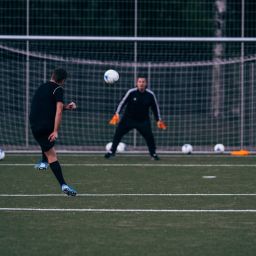
Motivating young athletes is crucial for their development, enjoyment, and success in sports. Clubs play a significant role in this process, as they provide the platform, resources, and environment that can either inspire or deter young athletes. The motivation of young athletes is not just about winning or achieving high performance; it’s also about fostering a lifelong love for the sport, promoting healthy lifestyles, and developing valuable life skills such as teamwork, discipline, and resilience. In this article, we will explore the various ways clubs can How Can Clubs Motivate Young Athletes”>motivate young athletes, providing helpful advice for athletes, parents, and sports clubs alike.
Understanding Motivation in Young Athletes
Before delving into the strategies that clubs can use to motivate young athletes, it’s essential to understand what motivates them. Young athletes are motivated by a variety of factors, including the desire to improve their skills, the thrill of competition, the joy of playing with friends, and the recognition they receive from coaches, parents, and peers. Clubs that understand these motivations can tailor their approaches to meet the needs and desires of their young athletes.
The Role of Positive Feedback
Positive feedback is a powerful motivator for young athletes. Clubs should encourage their coaches to provide constructive, specific, and sincere feedback that focuses on effort, progress, and achievement. This kind of feedback helps build confidence, reinforces positive behaviors, and encourages young athletes to continue striving for improvement. It’s also important for clubs to recognize and reward achievements, not just in terms of winning but also in terms of personal development and sportsmanship.
Creating a Supportive Environment
The environment in which young athletes train and compete has a significant impact on their motivation. Clubs should strive to create a supportive, inclusive, and fun environment that makes young athletes feel valued and encouraged. This can be achieved by promoting a culture of respect, empathy, and teamwork among athletes, coaches, and parents. Facilities and equipment should be safe, well-maintained, and appropriate for the age and skill level of the athletes.
The Importance of Variety and Challenge
Young athletes can quickly become bored or demotivated if their training sessions are repetitive or too easy. Clubs should ensure that their coaching staff provides a variety of training activities that challenge young athletes appropriately. This not only helps to prevent boredom but also promotes skill development, problem-solving, and strategic thinking. The introduction of new skills, drills, and game situations can keep training sessions engaging and motivating.
Involving Parents and the Community
Parents and the wider community can play a significant role in motivating young athletes. Clubs should encourage parents to be supportive, not just by attending games and practices but also by reinforcing positive behaviors and attitudes at home. Community involvement can also be a powerful motivator, as young athletes are often inspired by seeing their role models and heroes participate in or support their sport. Clubs can organize events, clinics, and workshops that bring together young athletes, professional athletes, and the community, providing unique opportunities for inspiration and learning.
Providing Opportunities for Development
One of the most significant motivators for young athletes is the opportunity to develop their skills and compete at higher levels. Clubs should provide pathways for development, including access to experienced coaches, training camps, and competitive leagues. These opportunities not only help young athletes achieve their full potential but also give them something to strive for, keeping them motivated and engaged in the sport.
Managing Pressure and Expectations
While competition and the desire to win can be strong motivators, excessive pressure and unrealistic expectations can have a detrimental effect on young athletes. Clubs should be aware of the fine line between encouraging young athletes to perform their best and placing undue stress on them. Coaches, parents, and the athletes themselves should focus on the process of improvement rather than just the outcome, celebrating efforts and progress alongside achievements.
The Value of Education and Life Skills
Sports participation offers young athletes much more than just physical development; it also provides an opportunity to develop valuable life skills such as communication, leadership, and time management. Clubs can motivate young athletes by highlighting these benefits and providing resources or workshops that focus on personal development, nutrition, mental health, and academic support. By doing so, clubs can help young athletes understand the broader value of their involvement in sports, beyond just the sport itself.
Conclusion
Motivating young athletes is a multifaceted challenge that requires a comprehensive approach. By understanding what motivates young athletes, providing positive feedback, creating a supportive environment, involving parents and the community, offering opportunities for development, managing pressure and expectations, and emphasizing the value of education and life skills, clubs can play a pivotal role in fostering a lifelong love of sport among young athletes. Ultimately, the motivation of young athletes is crucial not just for their success in sports, but for their overall development as individuals. By prioritizing their motivation and well-being, clubs can help young How Can Clubs Help Athletes Reach the Next Level”>athletes reach their full potential, both on and off the field.