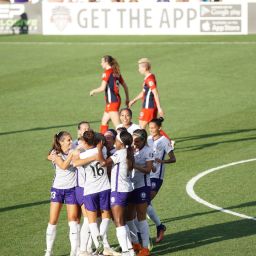
As a young athlete, being part of a sports club can be an exciting and rewarding experience. Not only does it provide an opportunity to develop skills and teamwork, but it can also be a stepping stone for those who dream of playing at the collegiate or professional level. For clubs, preparing athletes for recruiting is a crucial aspect of their role, as it can significantly impact the future of their young players. In this article, we will explore the ways in which clubs can how can clubs prepare athletes for scholarships”>prepare athletes for recruiting, providing helpful advice for athletes, parents, and sports clubs.
Understanding the Recruiting Process
Before we dive into the ways clubs can prepare athletes for recruiting, it’s essential to understand the recruiting process itself. The recruiting process typically begins when an athlete is in their sophomore or junior year of high school. College coaches and scouts attend games, tournaments, and showcases to identify talented players who may be a good fit for their team. They also review highlight reels, statistics, and academic records to get a comprehensive view of an athlete’s abilities and potential.
Identifying Potential Recruits
Clubs play a vital role in identifying potential recruits and providing them with the necessary guidance and support. Coaches and trainers should be aware of the skills and abilities required by college teams and work with athletes to develop these skills. They should also encourage athletes to attend showcases, camps, and clinics where they can be seen by college coaches and scouts.
Creating a Player Profile
A player profile is an essential tool for athletes who want to get recruited. It should include their athletic and academic achievements, as well as their goals and aspirations. Clubs can help athletes create a player profile by providing them with templates and guidelines. The profile should be regularly updated to reflect the athlete’s progress and achievements.
Providing Opportunities for Exposure
One of the most critical ways clubs can prepare athletes for recruiting is by providing them with opportunities for exposure. This can include participating in tournaments, showcases, and camps where college coaches and scouts will be in attendance. Clubs can also help athletes create highlight reels and promote them on social media and other online platforms.
Building Relationships with College Coaches
Building relationships with college coaches is crucial for athletes who want to get recruited. Clubs can facilitate this process by introducing athletes to college coaches and helping them establish communication. Coaches can also provide athletes with advice on how to interact with college coaches, including how to write emails, make phone calls, and conduct interviews.
Developing Athletes’ Skills and Abilities
Clubs can prepare athletes for recruiting by providing them with high-quality training and development opportunities. This can include working with experienced coaches and trainers who can help athletes improve their technique, strength, and conditioning. Clubs can also provide athletes with access to sports psychologists, nutritionists, and other experts who can help them develop the mental and physical skills they need to succeed at the next level.
Focusing on Academic Development
While athletic ability is essential for recruiting, academic development is also critical. Colleges and universities want athletes who are not only talented on the field but also capable of succeeding in the classroom. Clubs can prepare athletes for recruiting by emphasizing the importance of academic achievement and providing them with resources and support to help them succeed.
Providing Guidance and Support
Finally, clubs can prepare athletes for recruiting by providing them with guidance and support throughout the process. This can include helping athletes navigate the NCAA eligibility process, completing college applications, and making informed decisions about their athletic and academic futures. Clubs can also provide athletes with emotional support and encouragement, which is essential for managing the stress and pressure of the recruiting process.
Creating a Support Network
A support network is essential for athletes who are going through the recruiting process. Clubs can create a support network by bringing together athletes, parents, coaches, and other stakeholders who can provide guidance, advice, and encouragement. This network can help athletes stay motivated and focused, even when faced with challenges and setbacks.
Conclusion
In conclusion, clubs play a vital role in preparing athletes for recruiting. By understanding the recruiting process, identifying potential recruits, providing opportunities for exposure, developing athletes’ skills and abilities, focusing on academic development, providing guidance and support, and creating a support network, clubs can help athletes achieve their goals and realize their dreams. Whether you’re an athlete, parent, or sports club, we hope this article has provided you with helpful advice and insights into the recruiting process. Remember, recruiting is a journey, not a destination, and with hard work, dedication, and the right support, athletes can succeed at the next level.