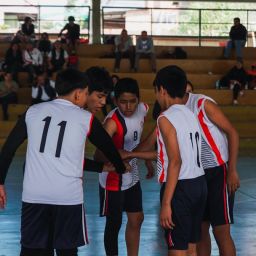
Partnering with colleges can be a fantastic way for sports clubs to provide their young athletes with new opportunities, resources, and experiences that can help them grow both as players and individuals. This partnership can open doors to better training facilities, experienced coaches, and even potential scholarships for talented players. In this article, we will explore the various ways clubs can clubs partner with local businesses”>partner with colleges, the benefits such partnerships can offer, and provide practical advice on how to establish and maintain these relationships.
Understanding the Benefits
Before diving into the specifics of how clubs can partner with colleges, it’s essential to understand the benefits such partnerships can bring. For clubs, partnering with colleges can mean access to better training facilities, which can significantly improve the quality of training their athletes receive. Additionally, colleges often have experienced coaches and trainers who can provide valuable guidance and mentorship to young athletes. For the athletes themselves, these partnerships can offer a clearer pathway to playing sports at the collegiate level, potentially leading to scholarships and a higher education.
Identifying Potential Partners
The first step in establishing a partnership between a club and a college is identifying potential partners. Clubs should look for colleges that have a strong reputation in the specific sport their athletes are interested in. It’s also important to consider the location of the college, as proximity can make it easier for athletes to attend camps, clinics, and games. Clubs should research the college’s athletic department, looking at factors such as the team’s performance record, the experience of the coaching staff, and the facilities available.
Evaluating Partnership Models
There are several models through which clubs can partner with colleges. One common approach is through camps and clinics, where college coaches and athletes work directly with club players, providing them with high-level training and feedback. Another model involves clubs and colleges working together on player development programs, designed to help young athletes improve their skills and prepare for the next level of competition. Some partnerships may also involve clubs and colleges collaborating on community outreach programs, using sports as a tool for social development and education.
Establishing the Partnership
Establishing a partnership between a club and a college requires careful planning and communication. Clubs should start by reaching out to the college’s athletic department, expressing their interest in a potential partnership and outlining the benefits they see for both parties. It’s crucial to have a clear proposal that details what the club is looking to achieve from the partnership, what they can offer in return, and how they envision the partnership working in practice. Building a relationship with key personnel at the college, such as coaches and athletic directors, can also be incredibly valuable, as these individuals can provide insights and support that can help the partnership flourish.
Maintaining the Partnership
Once a partnership is established, maintaining it requires ongoing effort and commitment from both the club and the college. Regular communication is key, ensuring that both parties are aware of each other’s needs, challenges, and successes. Clubs and colleges should work together to set clear goals and objectives for the partnership, and regularly review progress against these targets. Feedback from athletes, coaches, and parents can also be invaluable in identifying areas for improvement and ensuring that the partnership remains beneficial for all involved.
Providing Opportunities for Athletes
One of the primary goals of a club-college partnership should be to provide athletes with opportunities for development and advancement. This can include access to college camps and clinics, where athletes can receive coaching from experienced collegiate coaches and compete against other top-level players. Partnerships can also facilitate visits to college campuses, giving athletes a firsthand look at what it’s like to be a student-athlete at the collegiate level. For talented athletes, these partnerships can lead to scholarship opportunities, helping them to pursue their athletic and academic dreams.
Supporting Athlete Development
Supporting the development of young athletes is central to the mission of any sports club, and partnering with a college can provide clubs with the resources and expertise to do this more effectively. Colleges can offer access to sports science support, including strength and conditioning programs, sports psychology, and nutrition advice, all of which can help athletes improve their performance and reduce their risk of injury. Additionally, college coaches can provide valuable guidance on the recruitment process, helping athletes and their families navigate the often complex process of securing a college scholarship.
Engaging Parents and the Community
The success of a club-college partnership also depends on engaging parents and the wider community. Parents should be kept informed about the partnership and the opportunities it provides, and be involved in the planning and implementation of partnership activities. Community outreach programs can be a powerful way to promote the partnership and the benefits of sports participation, helping to build support and enthusiasm among local residents. By working together, clubs, colleges, and communities can create a supportive environment that encourages young athletes to pursue their passions and reach their full potential.
Overcoming Challenges
Like any partnership, club-college partnerships can face challenges, from logistical issues such as scheduling and transportation, to more significant obstacles like funding constraints or differences in vision and goals. To overcome these challenges, clubs and colleges must be flexible, communicative, and committed to finding solutions that work for all parties. Seeking feedback from athletes, parents, and coaches can help identify potential issues early, allowing for proactive measures to be taken to address them.
Conclusion
In conclusion, partnering with colleges can be a highly beneficial strategy for sports clubs looking to provide their young athletes with the best possible opportunities for development and success. By understanding the benefits, identifying potential partners, evaluating partnership models, and working to establish and maintain these relationships, clubs can help their athletes achieve their goals and pursue their dreams. Whether through camps and clinics, player development programs, or community outreach initiatives, the possibilities for collaboration and mutual benefit are vast. As the sports landscape continues to evolve, the importance of these partnerships will only continue to grow, making them an essential component of any club’s strategy for supporting the next generation of athletes.