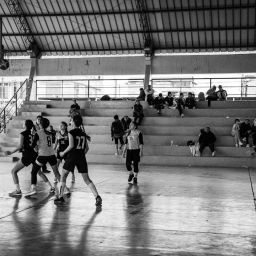
Measuring athlete improvement is a crucial aspect of youth sports development, as it enables clubs to assess the effectiveness of their training programs, identify areas for improvement, and provide personalized feedback to athletes. In this article, we will explore the various methods clubs can use to athlete performance“>measure athlete improvement, providing helpful advice for athletes, parents, and sports clubs.
Understanding the Importance of Measuring Athlete Improvement
Measuring athlete improvement is essential for several reasons. Firstly, it allows clubs to evaluate the success of their training programs and make data-driven decisions to improve them. Secondly, it enables coaches to identify areas where athletes need additional support or training, ensuring that each athlete reaches their full potential. Finally, measuring improvement helps to motivate athletes, as they can track their progress and set realistic goals for themselves.
Methods for Measuring Athlete Improvement
There are several methods clubs can use to measure athlete improvement, including:
Athletic Assessments
Athletic assessments involve evaluating an athlete’s physical abilities, such as speed, strength, agility, and endurance. These assessments can be conducted at the beginning and end of a training program, allowing clubs to measure the progress athletes have made. Common athletic assessments include sprint tests, jump tests, and endurance tests.
Technical Skill Assessments
Technical skill assessments evaluate an athlete’s mastery of specific skills, such as throwing, catching, or kicking. These assessments can be conducted through drills or game-like scenarios, allowing clubs to measure an athlete’s technique, accuracy, and consistency.
Game Performance Analysis
Game performance analysis involves evaluating an athlete’s performance during games or competitions. This can include metrics such as scoring, passing accuracy, or defensive statistics. By analyzing game performance, clubs can identify areas where athletes excel and areas where they need improvement.
Surveys and Feedback
Surveys and feedback from athletes, parents, and coaches can provide valuable insights into an athlete’s improvement. Clubs can use surveys to gather information on an athlete’s perceived progress, goals, and challenges, while feedback from coaches and parents can provide additional context and support.
Implementing a Measurement System
Implementing a measurement system requires careful planning and consideration. Here are some practical tips for clubs:
Set Clear Goals and Objectives
Clubs should set clear goals and objectives for their athletes, based on their age, skill level, and developmental stage. These goals should be specific, measurable, achievable, relevant, and time-bound (SMART).
Use a Combination of Methods
Clubs should use a combination of methods to measure athlete improvement, including athletic assessments, technical skill assessments, game performance analysis, and surveys and feedback.
Provide Regular Feedback
Clubs should provide regular feedback to athletes, based on the data collected through their measurement system. This feedback should be constructive, specific, and actionable, enabling athletes to make adjustments and improvements.
Continuously Evaluate and Refine the System
Clubs should continuously evaluate and refine their measurement system, based on the data collected and feedback from athletes, parents, and coaches. This ensures that the system remains effective and relevant, supporting the ongoing development of athletes.
Tips for Athletes and Parents
Athletes and parents can also play an active role in measuring improvement, by:
Setting Personal Goals
Athletes should set personal goals, based on their strengths, weaknesses, and developmental stage. These goals should be specific, measurable, achievable, relevant, and time-bound (SMART).
Tracking Progress
Athletes should track their progress, using a training log or journal. This helps to identify areas of improvement and provides a sense of accomplishment and motivation.
Seeking Feedback
Athletes should seek feedback from coaches, parents, and peers, using this feedback to make adjustments and improvements.
Staying Positive and Motivated
Athletes should stay positive and motivated, focusing on their strengths and accomplishments. This helps to build confidence and resilience, supporting ongoing development and improvement.
Opportunities for Players
Measuring athlete improvement provides numerous opportunities for players, including:
Identification and Selection
Measuring improvement helps clubs to identify and select talented athletes, providing them with opportunities to develop their skills and compete at higher levels.
Personalized Training
Measuring improvement enables clubs to provide personalized training, tailored to an athlete’s specific needs and goals.
Scholarship and College Opportunities
Measuring improvement can also provide opportunities for athletes to secure scholarships or college placements, based on their athletic ability and potential.
Conclusion
Measuring athlete improvement is a critical aspect of youth sports development, enabling clubs to assess the effectiveness of their training programs, identify areas for improvement, and provide personalized feedback to athletes. By using a combination of methods, including athletic assessments, technical skill assessments, game performance analysis, and surveys and feedback, clubs can create a comprehensive measurement system. Athletes and parents can also play an active role in measuring improvement, by setting personal goals, tracking progress, seeking feedback, and staying positive and motivated. By working together, clubs, athletes, and parents can support the ongoing development of young athletes, providing them with opportunities to reach their full potential and succeed in their chosen sport.