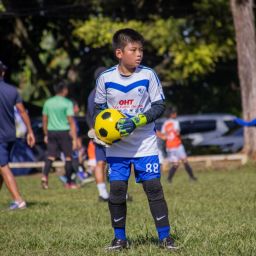
Running elite training programs is a crucial aspect of any sports club, as it provides young athletes with the opportunity to develop their skills, improve their performance, and potentially progress to professional levels. However, creating and maintaining such programs can be challenging, requiring careful planning, expertise, and resources. In this article, we will explore the key factors that enable clubs to run elite training programs, providing helpful advice for athletes, parents, and sports clubs.
Understanding the Fundamentals of Elite Training Programs
To run an elite training program, clubs must first understand the fundamental elements that comprise such programs. These include:
Talent Identification and Recruitment
Identifying and recruiting talented young athletes is essential for building a strong elite training program. Clubs should establish partnerships with local schools, community centers, and other sports organizations to identify potential talent. Additionally, clubs can host trials and assessments to evaluate the skills and abilities of young athletes.
Coaching and Mentoring
Providing high-quality coaching and mentoring is critical for the development of young athletes. Clubs should invest in experienced and qualified coaches who can provide expert guidance, support, and feedback. Coaches should also be trained in the latest techniques, tactics, and technologies to ensure that athletes receive the best possible training.
Training Facilities and Equipment
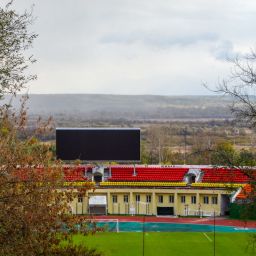
Access to high-quality training facilities and equipment is essential for elite training programs. Clubs should invest in modern, well-maintained facilities that provide a safe and supportive environment for athletes to train. This may include indoor and outdoor training pitches, gymnasiums, and other specialized facilities.
Creating a Comprehensive Training Program
A comprehensive training program is essential for the development of young athletes. This should include:
Technical and Tactical Training
Technical and tactical training should focus on developing the specific skills and techniques required for the sport. This may include drills, exercises, and small-sided games that simulate game situations.
Physical Conditioning and Strength Training
Physical conditioning and strength training are critical for improving athletic performance. Clubs should provide access to qualified strength and conditioning coaches who can design and implement personalized training programs.
Mental Preparation and Support
Mental preparation and support are essential for young athletes, who may face pressure, stress, and anxiety. Clubs should provide access to sports psychologists and other support staff who can help athletes develop coping strategies and build resilience.
Providing Opportunities for Competition and Development
Providing opportunities for competition and development is critical for the growth and progression of young athletes. Clubs should:
Compete in High-Level Competitions
Clubs should participate in high-level competitions, such as national leagues and tournaments, to provide athletes with the opportunity to test themselves against the best opponents.
Host Training Camps and Clinics
Hosting training camps and clinics can provide athletes with the opportunity to learn from experienced coaches and players. These events can also help to identify and develop new talent.
Foster Partnerships with Other Clubs and Organizations
Fostering partnerships with other clubs and organizations can provide athletes with access to new training opportunities, competitions, and resources.
Supporting Athlete Development and Wellbeing
Supporting athlete development and wellbeing is essential for the long-term success of elite training programs. Clubs should:
Provide Access to Medical and Support Services
Clubs should provide access to medical and support services, including physiotherapy, nutrition counseling, and mental health support.
Foster a Positive and Supportive Team Culture
Clubs should foster a positive and supportive team culture that encourages athletes to work together, support each other, and develop a sense of camaraderie and teamwork.
Monitor and Manage Athlete Workload and Recovery
Clubs should monitor and manage athlete workload and recovery to prevent injury, illness, and burnout. This may include implementing periodized training programs, providing access to recovery techniques, and monitoring athlete feedback and feedback.
Conclusion
Running elite training programs requires careful planning, expertise, and resources. By understanding the fundamental elements of such programs, creating comprehensive training programs, providing opportunities for competition and development, and supporting athlete development and wellbeing, clubs can provide young athletes with the opportunity to develop their skills, improve their performance, and potentially progress to professional levels. As a club, athlete, or parent, it is essential to prioritize the development of young athletes, providing them with the support, guidance, and resources they need to succeed. By working together, we can help to create a positive, supportive, and inclusive sports environment that fosters the growth and development of talented young athletes.