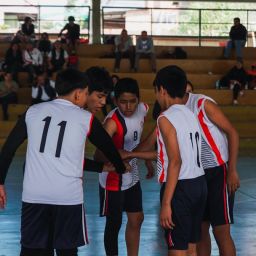
Scheduling referees is a crucial aspect of managing sports clubs, particularly in youth sports. It ensures that games and matches are conducted fairly and safely, with trained officials overseeing the proceedings. For athletes, parents, and sports clubs, understanding how to schedule referees effectively is vital for a smooth and enjoyable experience. This article delves into the ways clubs can schedule referees, providing helpful advice and practical tips for all stakeholders involved in youth sports.
Introduction to Referee Scheduling
Referee scheduling is the process by which sports how do clubs assign referees to games”>clubs assign trained referees to officiate matches and games. This process is essential for maintaining the integrity and safety of the game. For youth sports, in particular, having well-trained referees can make a significant difference in the development of young athletes. They not only enforce the rules but also provide guidance and feedback that can help improve the players’ skills and understanding of the game.
Understanding the Importance of Referee Scheduling
Before diving into the methods of scheduling referees, it’s crucial to understand why this process is important. Proper referee scheduling ensures:
- Fair Play: Trained referees ensure that the game is played fairly, adhering to the rules and regulations.
- Safety: Referees play a critical role in preventing injuries by enforcing safety rules and intervening when necessary.
- Development: For youth sports, referees can provide valuable insights and feedback to young athletes, aiding in their development.
- Organization: Efficient scheduling helps in the smooth operation of the club, ensuring that all matches are covered without last-minute scrambles for officials.
- Plan Ahead: Scheduling should be done well in advance to ensure that referees have ample time to prepare and make necessary arrangements.
- Referee Development Programs: Investing in referee development programs can increase the pool of available referees and improve their quality.
- Communication: Clear and timely communication with referees is key. This includes sending reminders, providing match details, and soliciting feedback.
- Feedback Mechanism: Establishing a feedback mechanism allows clubs to evaluate referee performance and make informed decisions about future assignments.
- Respect for Referees: Encouraging a culture of respect towards referees is crucial. This includes understanding that referees are human and can make mistakes, and treating them with dignity and respect.
- Feedback: Parents and athletes can provide valuable feedback to clubs about referee performance, which can help in improving the overall quality of officiating.
- Education: Learning about the rules of the game and the role of referees can help athletes and parents appreciate the challenges of refereeing and the importance of their contribution to the sport.
- Leadership Skills: Refereeing requires making quick, decisive judgments, which can help develop leadership skills.
- Income Opportunity: For older youth, refereeing can provide a part-time income opportunity.
- Deepened Understanding of the Game: Refereeing requires a deep understanding of the game’s rules and strategies, which can enhance one’s appreciation and enjoyment of the sport.
Methods for Scheduling Referees
Clubs can use various methods to schedule referees, each with its advantages and challenges. The most common methods include:
Manual Scheduling
Manual scheduling involves club administrators manually assigning referees to matches. This can be done through phone calls, emails, or in-person meetings. While this method allows for personal interaction and can be effective for small clubs, it can become cumbersome and time-consuming for larger clubs or those with numerous teams and matches.
Automated Scheduling Systems
Automated scheduling systems use software to assign referees to matches based on their availability, qualifications, and sometimes even their performance ratings. These systems can significantly reduce the time and effort required to schedule referees, making them highly efficient for large clubs or leagues. However, they require an initial investment in software and training for those who will use it.
Hybrid Approach
Some clubs opt for a hybrid approach, combining elements of both manual and automated scheduling. For instance, a club might use software to generate a list of available referees for a match, and then manually assign them based on additional criteria such as their experience with the age group or their performance in previous matches.
Practical Tips for Scheduling Referees
For clubs looking to improve their referee scheduling process, here are some practical tips:
Advice for Athletes and Parents
While the primary responsibility for scheduling referees lies with the sports clubs, athletes and parents can also play a role in ensuring that matches are well-officiated. Here are some tips:
Opportunities for Players
Youth sports offer numerous opportunities for players to develop not only their athletic skills but also life skills such as teamwork, discipline, and respect for authority. For those interested in refereeing, many sports clubs and leagues offer training and certification programs. Becoming a referee can provide young athletes with:
Conclusion
Scheduling referees is a critical component of managing sports clubs, especially in youth sports. By understanding the importance of this process and implementing efficient scheduling methods, clubs can ensure that their matches are well-officiated, contributing to a positive and developmental experience for all athletes. Whether through manual, automated, or hybrid scheduling systems, the key to successful referee scheduling is planning, communication, and a commitment to providing the best possible experience for young athletes. For athletes, parents, and clubs alike, recognizing the value of referees and supporting their development is essential for the growth and enjoyment of youth sports.