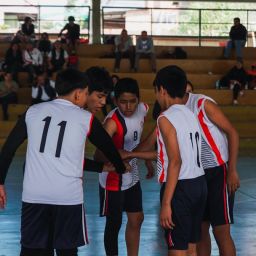
Teamwork is the backbone of any successful sports team. When individuals work together towards a common goal, they can achieve far more than they could alone. How Can Sports Clubs Improve Leadership”>Sports clubs, particularly those involved in youth sports, play a crucial role in fostering teamwork among young athletes. Not only does teamwork enhance performance on the field, but it also teaches valuable life skills such as communication, respect, and cooperation. In this article, we will explore how sports clubs can improve teamwork, providing advice and practical tips for athletes, parents, and club administrators.
Understanding the Importance of Teamwork
Before diving into strategies for improvement, it’s essential to understand why teamwork is so crucial in sports. Teamwork is not just about working together; it’s about creating a cohesive unit where each member supports and relies on the others. This unity can lead to better strategy execution, enhanced morale, and improved overall performance. Moreover, the skills learned through teamwork, such as problem-solving, adaptability, and mutual respect, are invaluable in both sports and life beyond the field.
Building a Team Culture
Building a strong team culture is foundational to improving teamwork. This culture should be based on mutual respect, trust, and open communication. Sports clubs can foster this culture by:
Encouraging Open Communication
Encouraging open and honest communication among team members, coaches, and parents is vital. This can be achieved through regular team meetings, one-on-one feedback sessions, and creating an environment where everyone feels heard and valued.
Setting Common Goals
Setting clear, achievable goals for the team can help focus everyone’s efforts and encourage teamwork. These goals should be discussed and agreed upon by the team, ensuring that everyone is working towards the same objectives.
Promoting Team Bonding Activities
Organizing team-building activities outside of regular practice and competition can significantly enhance teamwork. These activities, such as team outings, volunteer days, or social events, help build personal relationships among team members, which can translate into stronger bonds on the field.
Training and Development Strategies
Improving teamwork also involves adopting specific training and development strategies. These strategies should aim at enhancing collaboration, strategy, and mutual support among team members.
Teamwork-Focused Drills
Incorporating drills and exercises that specifically focus on teamwork can be highly effective. For example, in soccer, drills that emphasize passing, movement off the ball, and defensive coordination can improve how players work together during matches.
Video Analysis
Using video analysis to review team performances can help identify areas where teamwork can be improved. By watching game footage together, teams can discuss strategies, pinpoint mistakes, and learn from successes.
Positive Reinforcement
Coaches and team leaders should focus on positive reinforcement, recognizing and rewarding displays of good teamwork. This approach encourages players to support each other and work collaboratively, fostering a positive team environment.
Opportunities for Players
Sports clubs should provide opportunities for players to develop their teamwork skills, both on and off the field. This can include:
Leadership Roles
Giving players leadership roles or responsibilities within the team can help them develop leadership and teamwork skills. This could be as simple as assigning a team captain or specific leaders for different aspects of the game.
Community Engagement
Engaging in community service or outreach programs as a team can foster a sense of unity and purpose. These activities teach players the value of working together for a common goal beyond winning games.
Feedback and Reflection
Regularly soliciting feedback from players and facilitating team reflection sessions can help identify areas for improvement and encourage players to think critically about their teamwork.
Parental Involvement
Parents play a significant role in supporting teamwork within sports clubs. They can:
Model Good Behavior
Parents should model the behavior they want to see in their children, such as respect for the game, opponents, and teammates. Positive sideline behavior sets a good example for young athletes.
Support Team Events
Attending team events, volunteering for team activities, and showing interest in the team’s progress can demonstrate to players the importance of teamwork and community.
Encourage Open Communication
Parents should encourage their children to communicate openly with teammates and coaches, fostering an environment where issues can be addressed constructively.
Conclusion
Improving teamwork in sports clubs, especially in youth sports, is crucial for both on-field success and the development of valuable life skills. By building a strong team culture, adopting effective training and development strategies, providing opportunities for players to grow, and encouraging parental involvement, sports clubs can significantly enhance teamwork among their members. Remember, teamwork is not just about winning; it’s about creating a supportive, respectful, and cohesive unit where every individual feels valued and empowered to contribute their best. By focusing on teamwork, sports clubs can create a positive, productive environment that benefits athletes, parents, and the community as a whole.