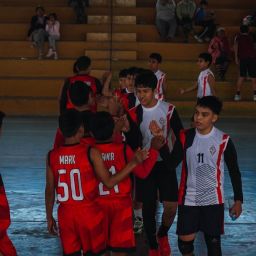
Organizing leagues is a crucial aspect of sports clubs, as it provides a structured and competitive environment for athletes to develop their skills and showcase their talents. Effective league organization can make a significant difference in the overall experience of athletes, parents, and coaches. In this article, we will explore the steps and considerations involved in organizing leagues, with a focus on youth sports, training, development, and opportunities for players.
Understanding the Importance of Leagues
Leagues are essential for sports clubs, as they provide a platform for athletes to compete, learn, and grow. Leagues can be organized at various levels, including local, regional, and national, and can cater to different age groups, skill levels, and sports. For youth athletes, leagues offer a unique opportunity to develop their skills, build confidence, and learn valuable life skills such as teamwork, discipline, and sportsmanship.
Benefits of Organized Leagues
Organized leagues offer numerous benefits for athletes, parents, and sports clubs. Some of the key benefits include:
- Competitive environment: Leagues provide a competitive environment that motivates athletes to improve their skills and perform at their best.
- Structured schedule: Leagues have a structured schedule, which helps athletes and parents plan and manage their time effectively.
- Opportunities for development: Leagues offer opportunities for athletes to develop their skills, learn new techniques, and gain experience in a competitive environment.
- Social benefits: Leagues provide a social platform for athletes to interact with their peers, make new friends, and develop social skills.
- Defining the league’s purpose and objectives: Sports clubs need to clearly define the purpose and objectives of the league, including the age group, skill level, and sport.
- Establishing a budget: Sports clubs need to establish a budget for the league, including costs for venue rental, equipment, officials, and administrative expenses.
- Recruiting teams and players: Sports clubs need to recruit teams and players for the league, which may involve outreach and marketing efforts.
- Developing a schedule: Sports clubs need to develop a schedule for the league, including the format, duration, and timing of games and matches.
- Age and skill level: The league structure should be tailored to the age and skill level of the athletes, with consideration for safety, development, and competitiveness.
- Team size and composition: The league structure should take into account the size and composition of teams, including the number of players, coaches, and officials.
- Game and match format: The league structure should define the format of games and matches, including the duration, scoring system, and rules.
- Registering teams and players: Sports clubs need to register teams and players for the league, which may involve collecting fees, paperwork, and other administrative tasks.
- Scheduling games and matches: Sports clubs need to schedule games and matches, taking into account the availability of venues, officials, and teams.
- Providing equipment and facilities: Sports clubs need to provide equipment and facilities for the league, including balls, nets, and other necessary gear.
- Monitor progress and results: Sports clubs should monitor the progress and results of the league, including standings, scores, and player statistics.
- Address issues and concerns: Sports clubs should address any issues or concerns that arise during the league, including disputes, injuries, and disciplinary matters.
- Evaluate and improve: Sports clubs should evaluate the league’s success and identify areas for improvement, with a view to making changes and enhancements for future seasons.
Planning and Preparation
To organize a successful league, sports clubs need to plan and prepare carefully. This involves several key steps, including:
Creating a League Structure
Creating a league structure is critical to the success of the league. This involves deciding on the format, such as a round-robin or knockout format, and the duration of the league. Sports clubs should also consider the following factors when creating a league structure:
Implementing the League
Once the planning and preparation are complete, sports clubs can implement the league. This involves several key steps, including:
Managing the League
Managing the league is an ongoing process that requires careful attention to detail. Sports clubs should:
Conclusion
Organizing leagues is a complex and challenging task that requires careful planning, preparation, and implementation. By understanding the importance of leagues, planning and preparing carefully, creating a league structure, implementing the league, and managing the league, sports clubs can provide a positive and rewarding experience for athletes, parents, and coaches. Whether you are an athlete, parent, or sports club administrator, we hope this article has provided valuable insights and practical tips for organizing successful leagues that promote youth sports, training, development, and opportunities for players.