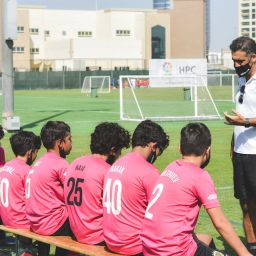
Organizing tournaments is a crucial aspect of any sports club, as it provides a platform for athletes to compete, develop their skills, and gain valuable experience. For youth sports, in particular, well-organized tournaments can be instrumental in fostering growth, teamwork, and sportsmanship. In this article, we will delve into the intricacies of how how can clubs organize tournaments”>clubs organize tournaments, offering insights and practical advice for athletes, parents, and sports clubs alike.
Understanding the Objective
Before diving into the organizational aspects, it’s essential to understand the primary objectives of organizing a tournament. These can include providing a competitive platform for athletes, promoting the club and its sponsors, generating revenue, and fostering a sense of community among participants and spectators. For youth sports, the focus often leans towards development, ensuring that tournaments are structured in a way that encourages learning, fair play, and enjoyment.
Planning and Preparation
The success of a tournament largely depends on meticulous planning and preparation. This phase involves several key steps:
Setting the Scope
- Defining the Tournament Type: Deciding on the type of tournament, such as a league, knockout, or round-robin, based on the number of participating teams, available time, and resources.
- Choosing a Date: Picking a date that avoids conflicts with other major sports events and ensures maximum participation.
- Selecting a Venue: Ensuring the venue is appropriate for the number of teams and spectators, has the necessary facilities, and is easily accessible.
- Estimating Costs: Calculating all potential expenses, including venue rental, equipment, referees, medical staff, and trophies or medals.
- Seeking Sponsorships: Approaching local businesses or sports brands for sponsorships to help cover costs and provide additional resources for the tournament.
- Assigning Roles: Creating a team with specific roles such as tournament director, marketing manager, and logistics coordinator to ensure all aspects are covered.
- Volunteer Recruitment: Recruiting volunteers to help with tasks such as registration, scoring, and crowd control.
- Creating a Registration Process: Developing an efficient and clear registration process for teams, which may include online forms, payment gateways, and deadline dates.
- Team and Player Eligibility: Establishing criteria for team and player eligibility, including age limits, residency requirements, and previous tournament performances.
- Social Media and Website: Utilizing social media platforms and the club’s website to promote the tournament, share updates, and provide information to participants and spectators.
- Local Media and Community: Reaching out to local newspapers, radio stations, and community boards to advertise the event and attract a wider audience.
- Scheduling Matches: Creating a schedule that allows for efficient use of facilities, minimizes wait times between matches, and considers factors like travel time for out-of-town teams.
- Equipment and Supplies: Ensuring all necessary sports equipment, first aid kits, and other supplies are available and in good condition.
- Focus on Development: Ensuring that the tournament structure and rules prioritize athlete development, safety, and enjoyment.
- Feedback and Improvement: Providing avenues for athletes and coaches to offer feedback on the tournament to improve future events.
- Information Availability: Making sure that schedules, rules, and other relevant information are easily accessible to parents and spectators.
- Facilities and Amenities: Ensuring that the venue offers adequate amenities, such as seating, concessions, and restrooms, to make the experience enjoyable for all.
- Evaluation and Review: After the tournament, conducting a thorough review to identify areas of success and improvement for future events.
- Building on Success: Using the tournament as an opportunity to build relationships with local businesses, attract new members, and promote the club’s mission and values.
Creating a Budget
Forming an Organizing Committee
Execution and Promotion
Registration and Team Management
Marketing the Tournament
Logistics and Operations
Ensuring a Positive Experience
For Athletes
For Parents and Spectators
For the Club
Conclusion
Organizing a tournament is a multifaceted task that requires careful planning, execution, and a commitment to providing a positive experience for all involved. By understanding the objectives, planning meticulously, and focusing on the development and enjoyment of athletes, clubs can host successful tournaments that contribute to the growth of youth sports. Whether you’re an athlete looking to compete, a parent seeking opportunities for your child, or a sports club aiming to organize a memorable event, the keys to success lie in attention to detail, a player-centric approach, and a passion for fostering a love of the game.