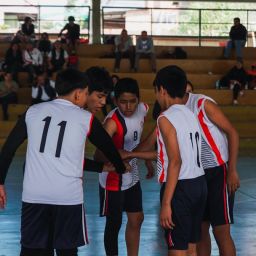
Building a strong team is the ultimate goal for any sports club, and it requires a combination of effective planning, dedicated coaching, and a supportive environment. In the world of youth sports, creating a strong team is not only about winning games, but also about fostering a love for the sport, promoting physical and emotional development, and providing opportunities for players to grow and thrive. In this article, we will explore the key elements that sports clubs can use to build strong teams, and provide helpful advice for athletes, parents, and sports clubs.
Understanding the Importance of Team Building
Before we dive into the specifics of building a strong team, it’s essential to understand why team building is crucial in youth sports. A strong team is not just a group of skilled players; it’s a cohesive unit that works together towards a common goal. When players feel like they are part of a supportive and inclusive team, they are more likely to develop a positive attitude towards the sport, improve their skills, and have fun. Moreover, a strong team can help players develop essential life skills, such as communication, teamwork, and problem-solving, which can benefit them far beyond their sports career.
Key Elements of Building a Strong Team
So, how do sports clubs build strong teams? Here are some key elements to consider:
Effective Coaching
Effective coaching is the foundation of a strong team. A good coach can inspire, motivate, and guide players to reach their full potential. When selecting a coach, sports clubs should look for individuals who have a passion for the sport, experience working with youth players, and a commitment to creating a positive and supportive team environment. Coaches should also be knowledgeable about the game, able to provide constructive feedback, and willing to adapt their coaching style to meet the needs of their players.
Player Development
Player development is another critical aspect of building a strong team. Sports clubs should provide players with opportunities to develop their skills, both on and off the field. This can include training sessions, practice games, and workshops on topics such as nutrition, injury prevention, and sports psychology. By investing in player development, sports clubs can help players improve their performance, build their confidence, and enhance their overall enjoyment of the sport.
Team Culture
A positive team culture is essential for building a strong team. Sports clubs should foster an environment that is inclusive, supportive, and respectful. This can be achieved by promoting open communication, encouraging teamwork, and recognizing player achievements. A positive team culture can also help to reduce conflicts, improve player retention, and create a sense of belonging among team members.
Parental Involvement
Parental involvement is also crucial in building a strong team. Parents can play a significant role in supporting their child’s development, attending games and practices, and volunteering their time to help with team activities. Sports clubs should encourage parental involvement, provide opportunities for parents to get involved, and keep them informed about team news and events.
Practical Tips for Building a Strong Team
Here are some practical tips that sports clubs can use to build a strong team:
Set Clear Goals and Expectations
Setting clear goals and expectations is essential for building a strong team. Sports clubs should work with coaches, players, and parents to establish a shared vision for the team, including goals, values, and expectations. This can help to create a sense of direction, focus, and purpose among team members.
Foster Open Communication
Open communication is critical in building a strong team. Sports clubs should encourage players, coaches, and parents to communicate openly and honestly, both on and off the field. This can help to resolve conflicts, build trust, and create a positive team culture.
Provide Opportunities for Player Feedback
Providing opportunities for player feedback is also important in building a strong team. Sports clubs should regularly seek feedback from players, coaches, and parents to understand their needs, concerns, and suggestions. This can help to identify areas for improvement, make informed decisions, and create a sense of ownership among team members.
Celebrate Successes and Learn from Failures
Finally, sports clubs should celebrate successes and learn from failures. Recognizing player achievements, both on and off the field, can help to build confidence, motivation, and a sense of pride among team members. Similarly, learning from failures can help to identify areas for improvement, develop resilience, and create a growth mindset among players.
Opportunities for Players
Building a strong team is not just about winning games; it’s also about providing opportunities for players to grow and develop. Here are some opportunities that sports clubs can offer to players:
Training and Development Programs
Sports clubs can offer training and development programs to help players improve their skills, both on and off the field. This can include workshops, clinics, and camps on topics such as sports nutrition, injury prevention, and mental preparation.
Competitions and Tournaments
Competing in competitions and tournaments can provide players with valuable experience, exposure, and opportunities to test their skills against other teams. Sports clubs should look for opportunities to participate in local, regional, and national competitions, and provide players with the support and resources they need to succeed.
Community Engagement
Community engagement is also an essential aspect of building a strong team. Sports clubs can provide players with opportunities to engage with their local community, including volunteering, fundraising, and outreach programs. This can help to develop a sense of social responsibility, build relationships with local stakeholders, and create a positive reputation for the team.
Conclusion
Building a strong team requires a combination of effective planning, dedicated coaching, and a supportive environment. By understanding the importance of team building, implementing key elements such as effective coaching, player development, and team culture, and providing opportunities for players to grow and develop, sports clubs can create a positive and inclusive team environment that fosters a love for the sport, promotes physical and emotional development, and provides opportunities for players to thrive. Whether you’re an athlete, parent, or sports club, we hope that this article has provided you with helpful advice, practical tips, and guidance on how to build a strong team that will succeed both on and off the field.