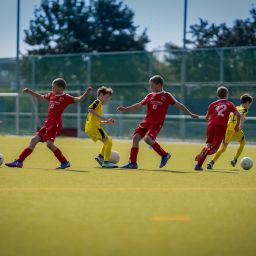
Sports clubs play a vital role in the development and growth of young athletes. These organizations provide a platform for athletes to hone their skills, build their character, and pursue their passion for sports. But how exactly do sports clubs support athlete growth? In this article, we will delve into the various ways sports clubs contribute to the development of young athletes, and provide helpful advice for athletes, parents, and sports clubs.
Introduction to Sports Clubs
Sports clubs are organizations that bring together athletes, coaches, and volunteers to promote and develop a particular sport. These clubs can range from local community centers to professional academies, and they offer a wide range of programs and services to support athlete growth. From training sessions and competitions to mentorship and education, sports clubs provide a comprehensive environment that fosters the physical, emotional, and social development of young athletes.
Coaching and Training
One of the primary ways sports clubs support athlete growth is through coaching and training. Experienced coaches and trainers work with athletes to develop their technical skills, tactical awareness, and physical fitness. They create personalized training plans, provide feedback and guidance, and help athletes set and achieve their goals. Sports clubs also invest in the latest training equipment and technology, ensuring that athletes have access to the best possible resources to aid their development.
Creating a Positive Training Environment
A positive training environment is essential for athlete growth. Sports clubs should strive to create a culture that is supportive, inclusive, and fun. Coaches and trainers should encourage athletes to take risks, experiment with new skills, and learn from their mistakes. This approach helps build confidence, resilience, and a growth mindset, all of which are essential for success in sports and life.
Competition and Match Experience
Competition and match experience are critical components of athlete growth. Sports clubs provide opportunities for athletes to test their skills, strategies, and physical fitness in a competitive environment. This experience helps athletes develop their mental toughness, learn to perform under pressure, and build their self-confidence. Sports clubs can also facilitate matches and tournaments against other clubs, providing athletes with the chance to compete against different opponents and learn from their experiences.
Managing Competition and Pressure
While competition is essential for athlete growth, it’s equally important to manage the pressure and stress that come with it. Sports clubs should educate athletes, parents, and coaches on the importance of maintaining a healthy balance between competition and enjoyment. This can involve setting realistic goals, focusing on the process rather than the outcome, and promoting a growth mindset. By managing competition and pressure effectively, sports clubs can help athletes develop a positive and resilient mindset that serves them well in all aspects of life.
Mentorship and Guidance
Mentorship and guidance are vital aspects of athlete growth. Sports clubs can provide athletes with experienced mentors and role models who can offer advice, guidance, and support. These mentors can help athletes navigate the challenges of sports participation, provide feedback on their performance, and help them develop a growth mindset. Sports clubs can also facilitate workshops, seminars, and training sessions on topics such as nutrition, injury prevention, and mental preparation.
The Role of Parents in Athlete Growth
Parents play a significant role in athlete growth, and sports clubs should engage with them to ensure that they are supporting their child’s development in a positive and constructive way. Parents can help athletes set goals, develop a growth mindset, and maintain a healthy balance between sports participation and other aspects of life. Sports clubs can provide parents with resources, guidance, and support to help them navigate the complexities of youth sports and ensure that their child has a positive and enjoyable experience.
Opportunities for Growth and Development
Sports clubs can provide athletes with a wide range of opportunities for growth and development. These can include training camps, clinics, and workshops, as well as scholarships, grants, and other forms of support. Sports clubs can also facilitate connections with colleges, universities, and professional teams, providing athletes with pathways to further their education and athletic careers.
Creating a Pathway for Athlete Development
A well-structured pathway for athlete development is essential for sports clubs. This pathway should provide athletes with a clear and progressive route for development, from beginner to elite levels. The pathway should include regular assessments, feedback, and guidance, as well as opportunities for athletes to compete, train, and develop their skills. By creating a pathway for athlete development, sports clubs can help athletes achieve their full potential and ensure that they have a positive and enjoyable experience in sports.
Conclusion
In conclusion, sports clubs play a vital role in supporting athlete growth and development. Through coaching and training, competition and match experience, mentorship and guidance, and opportunities for growth and development, sports clubs provide a comprehensive environment that fosters the physical, emotional, and social development of young athletes. By engaging with athletes, parents, and the wider community, sports clubs can help athletes achieve their full potential, develop a lifelong love of sports, and become positive and contributing members of society. As a final piece of advice, athletes, parents, and sports clubs should remember that athlete growth is a long-term process that requires patience, dedication, and a commitment to development. By working together and providing a supportive and inclusive environment, we can help athletes grow, develop, and thrive in all aspects of life.