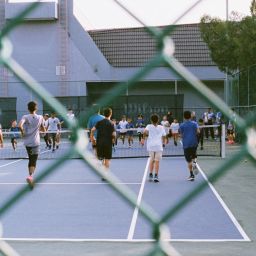
The world of youth sports is an exciting and dynamic environment, filled with opportunities for young athletes to grow, learn, and develop their skills. One of the most thrilling experiences for these young competitors is participating in knockout tournaments, where the stakes are high, and the competition is fierce. However, organizing such events can be a daunting task, requiring meticulous planning, attention to detail, and a deep understanding of the needs and expectations of the participants, their families, and the sports clubs involved. In this article, we will delve into the role of a sports knockout tournament organizer, exploring the responsibilities, challenges, and best practices associated with this critical position.
Introduction to Knockout Tournaments
Knockout tournaments, also known as single-elimination tournaments, are competitions where a team or individual is eliminated from the tournament after losing a single game. This format creates an intense and suspenseful atmosphere, as each match is crucial for advancing to the next round. For young athletes, participating in these tournaments can be a defining experience, teaching valuable lessons about perseverance, teamwork, and sportsmanship.
The Role of a Sports Knockout Tournament Organizer
A sports knockout tournament organizer is responsible for overseeing all aspects of the tournament, from the initial planning stages to the final match. This includes setting the tournament format, scheduling matches, managing registrations, coordinating with venues and officials, and ensuring that all logistical and operational aspects run smoothly. The organizer must also be prepared to handle any issues that may arise during the tournament, such as disputes, injuries, or weather-related cancellations.
Key Responsibilities
- Tournament Format and Schedule: Deciding on the tournament format, including the number of teams, the structure of the brackets, and the scheduling of matches.
- Venue and Equipment Management: Ensuring that the tournament venues are suitable, safe, and well-equipped for the competition.
- Official and Staff Management: Hiring and managing referees, umpires, and other officials necessary for the smooth operation of the tournament.
- Registration and Communication: Handling team registrations, communicating with coaches and parents, and providing updates on schedules, results, and any other important information.
- Safety and First Aid: Ensuring that there are adequate first aid provisions and that safety protocols are in place to protect participants.
- Enhance Competitive Experience: Provide young athletes with the opportunity to compete against a variety of opponents, helping them to develop their strategic thinking and adaptability.
- Foster Teamwork and Camaraderie: For team sports, knockout tournaments encourage teamwork, communication, and mutual support among team members.
- Promote Personal Growth: The intensity and unpredictability of knockout competitions can help young athletes build resilience, learn from setbacks, and develop a growth mindset.
- Physical Conditioning: Ensure that athletes are physically prepared for the demands of the tournament, including endurance, strength, and agility training.
- Mental Preparation: Teach athletes techniques for managing pressure and stress, such as visualization, positive self-talk, and relaxation exercises.
- Team Strategy: For team sports, develop strategies that play to the team’s strengths and prepare for different scenarios that may arise during matches.
Best Practices for Organizing a Successful Knockout Tournament
Organizing a successful knockout tournament requires careful planning, flexibility, and a commitment to providing a positive experience for all participants. Here are some best practices that sports knockout tournament organizers should consider:
Planning Ahead
Starting the planning process early allows organizers to secure venues, hire officials, and manage registrations efficiently. It also provides time to address any unforeseen issues that may arise.
Communication is Key
Clear and timely communication with teams, officials, and spectators is crucial. This includes providing detailed schedules, rules, and updates on the tournament progress.
Ensuring Safety and Fair Play
Organizers must prioritize the safety of participants and ensure that the tournament is conducted in a fair and sporting manner. This includes having clear rules, providing adequate safety equipment, and ensuring that officials are well-trained.
Feedback and Evaluation
After the tournament, organizers should seek feedback from participants, officials, and spectators to identify areas for improvement. This feedback can be invaluable in refining the organization of future tournaments.
Opportunities for Youth Development
Knockout tournaments offer a unique platform for young athletes to develop their skills in a competitive environment. These tournaments can:
Practical Tips for Athletes and Parents
For young athletes and their families, preparing for a knockout tournament involves more than just physical training. Here are some practical tips:
Conclusion
The role of a sports knockout tournament organizer is multifaceted and demanding, requiring a blend of organizational skills, knowledge of the sport, and the ability to manage a wide range of stakeholders. By understanding the complexities of organizing a knockout tournament and following best practices, organizers can create an exciting and rewarding experience for young athletes, promoting their development, enjoyment, and success in sports. Whether you are an athlete, a parent, or a member of a sports club, being part of a well-organized knockout tournament can be a memorable and enriching experience, offering valuable lessons and opportunities for growth both on and off the field.