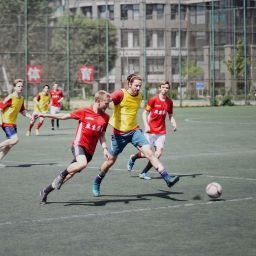
As a sports club, tracking player performance is crucial to identify areas of improvement, optimize training programs, and provide valuable feedback to athletes. In youth sports, where development and growth are paramount, monitoring player progress is essential to help young athletes reach their full potential. In this article, we will explore the ways clubs can coaches track player performance”>track player performance, providing helpful advice for athletes, parents, and sports clubs.
Introduction to Player Performance Tracking
clubs track player performance”>Player performance tracking involves collecting and analyzing data on various aspects of an athlete’s game, including technical, tactical, physical, and psychological skills. This information helps coaches and trainers to create personalized training plans, set realistic goals, and evaluate player progress over time. By tracking player performance, clubs can gain a deeper understanding of their athletes’ strengths and weaknesses, making it easier to develop targeted interventions and improve overall team performance.
Methods for Tracking Player Performance
There are several methods that clubs can use to Coaches Track Player Development”>track player performance, including:
Video Analysis
Video analysis is a powerful tool for tracking player performance. By recording games and training sessions, coaches can review and analyze player movements, techniques, and decision-making. This helps to identify areas for improvement, such as technique, speed, and agility. Video analysis software can also provide detailed statistics and metrics, including distance covered, speed, and acceleration.
GPS and Wearable Technology
GPS and wearable technology, such as heart rate monitors and accelerometers, provide valuable insights into player physical performance. These devices can track distance covered, speed, and intensity of exercise, helping coaches to monitor player workload and prevent overtraining. Wearable technology can also provide data on player fatigue, recovery, and sleep patterns, allowing for more effective management of player health and well-being.
Statistical Analysis
Statistical analysis involves collecting and analyzing data on player performance, such as goals scored, assists, and passing accuracy. This information can be used to evaluate player effectiveness, identify trends, and inform tactical decisions. Statistical analysis can also help coaches to identify areas for improvement, such as shooting technique or defensive positioning.
Player Feedback and Self-Assessment
Player feedback and self-assessment are essential components of player performance tracking. By soliciting feedback from players, coaches can gain a deeper understanding of their athletes’ thoughts, feelings, and experiences. Player self-assessment, such as player diaries or self-assessment questionnaires, can also provide valuable insights into player motivation, confidence, and overall well-being.
Benefits of Tracking Player Performance
Tracking player performance offers numerous benefits for athletes, parents, and sports clubs. Some of the key advantages include:
Improved Player Development
By tracking player performance, clubs can identify areas for improvement and create targeted interventions to address these weaknesses. This helps to accelerate player development, improve overall performance, and enhance the athlete’s chances of success.
Enhanced Coaching and Training
Player performance tracking provides coaches with valuable insights into player strengths, weaknesses, and learning styles. This information can be used to create personalized training plans, set realistic goals, and evaluate player progress over time.
Increased Player Engagement and Motivation
Tracking player performance can also increase player engagement and motivation. By providing regular feedback and encouragement, coaches can help athletes to stay focused, motivated, and committed to their training programs.
Better Injury Prevention and Management
Player performance tracking can also help to prevent injuries and manage player health. By monitoring player workload, fatigue, and recovery, coaches can identify potential risks and take proactive steps to mitigate these threats.
Practical Tips for Tracking Player Performance
So, how can clubs track player performance in practice? Here are some practical tips to get you started:
Invest in Video Analysis Software
Investing in video analysis software can provide a valuable tool for tracking player performance. Look for software that offers advanced features, such as slow-motion playback, zoom, and drawing tools.
Use GPS and Wearable Technology
GPS and wearable technology can provide valuable insights into player physical performance. Consider investing in devices that offer advanced features, such as heart rate monitoring and accelerometer data.
Collect and Analyze Statistical Data
Collecting and analyzing statistical data can provide valuable insights into player performance. Consider using software or spreadsheets to collect and analyze data on player goals, assists, and passing accuracy.
Solicit Player Feedback and Self-Assessment
Soliciting player feedback and self-assessment can provide valuable insights into player thoughts, feelings, and experiences. Consider using player diaries, self-assessment questionnaires, or regular feedback sessions to gather this information.
Conclusion
Tracking player performance is a critical component of youth sports development, training, and competition. By using a range of methods, including video analysis, GPS and wearable technology, statistical analysis, and player feedback and self-assessment, clubs can gain a deeper understanding of their athletes’ strengths, weaknesses, and learning styles. By providing helpful advice for athletes, parents, and sports clubs, we hope to have demonstrated the importance of player performance tracking and provided practical tips for implementation. Remember, tracking player performance is an ongoing process that requires regular monitoring, evaluation, and feedback. By working together, we can help young athletes to reach their full potential and achieve success in their chosen sport.