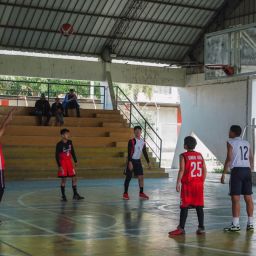
Effective communication is the backbone of any successful team, and in the context of youth sports, it plays a vital role in the development and performance of young athletes. Coaches are not only responsible for designing training sessions and strategies but also for fostering an environment where athletes feel supported, motivated, and understood. The way coaches communicate with parents“>communicate with their teams can significantly impact team morale, player development, and ultimately, the team’s success. In this article, we will delve into the various methods and strategies coaches use to communicate with their teams, providing insights and advice for athletes, parents, and sports clubs.
Understanding the Importance of Communication in Youth Sports
Communication in youth sports is multifaceted. It involves not only the transmission of tactical instructions and feedback but also the creation of a positive team culture, managing individual player development, and ensuring the well-being of young athletes. Effective communication helps in building trust between the coach and the players, which is essential for the team’s cohesion and performance. Moreover, clear and supportive communication can help young athletes develop not just their sports skills but also life skills such as teamwork, discipline, and resilience.
Strategies for Effective Team Communication
Coaches employ a variety of strategies to communicate effectively with their teams. These strategies can be tailored to the age, skill level, and psychological characteristics of the athletes.
Pre-Season Team Meetings
At the beginning of each season, coaches often hold team meetings to outline expectations, goals, and the team’s vision. This is a crucial opportunity for coaches to communicate their philosophy, the importance of teamwork, and individual roles within the team. It’s also a time for athletes to ask questions and express their own goals and expectations, fostering a sense of ownership and commitment to the team.
Regular Team Talks and Feedback
Regular team talks, whether after games, practices, or during half-time, are essential for providing feedback, making adjustments, and motivating the team. Coaches should aim to balance constructive criticism with positive reinforcement, focusing on behaviors and actions that can be improved rather than attacking individual players. Feedback should be specific, timely, and actionable, helping athletes understand what they need to work on and how they can improve.
One-on-One Communication
While team talks are invaluable, one-on-one communication allows coaches to address individual needs, concerns, and development plans. This personalized approach helps in building strong coach-athlete relationships, where athletes feel valued and understood. Coaches can use these sessions to set individual goals, provide detailed feedback, and discuss the athlete’s progression and challenges.
Technology and Digital Communication
In today’s digital age, technology plays a significant role in team communication. Coaches can use messaging apps, email, or specialized team management software to communicate with parents”>communicate with athletes and parents. These platforms are useful for sharing practice schedules, game details, nutritional advice, and injury reports. They also provide a convenient way for athletes and parents to reach out to coaches with questions or concerns.
Practical Tips for Coaches
For coaches aiming to enhance their communication with the team, here are some practical tips:
1. Be Clear and Concise: Ensure that your messages are easy to understand, avoiding complex terminology or instructions that might confuse young athletes.
2. Lead by Example: Demonstrate the behavior and attitude you expect from your athletes. Show respect, enthusiasm, and a positive attitude towards the sport and the team.
3. Listen Actively: Create a safe space where athletes feel comfortable sharing their thoughts and feelings. Listening actively can help in resolving issues promptly and improving team dynamics.
4. Use Positive Language: Focus on what athletes are doing well and how they can improve, rather than solely on their mistakes. Positive reinforcement can boost confidence and motivation.
5. Involve Athletes in Decision-Making: When appropriate, involve athletes in decision-making processes, such as planning team-building activities or setting team goals. This can enhance their sense of responsibility and engagement.
Advice for Athletes and Parents
Athletes and parents also play a crucial role in effective team communication. Here are some tips for them:
- Be Open to Feedback: Athletes should be receptive to constructive criticism, using it as an opportunity to learn and grow.
- Communicate Your Needs: If an athlete is struggling with a particular aspect of the game or is experiencing personal issues, they should feel comfortable communicating this to their coach.
- Support Team Dynamics: Parents can support team communication by encouraging their child to respect team rules, attend practices regularly, and engage positively with teammates and coaches.
- Stay Informed: Parents should stay updated with team schedules, requirements, and any announcements made by the coach, ensuring their child is prepared and committed to the team’s activities.
Conclusion
Effective communication is the foundation upon which successful youth sports teams are built. Coaches, athletes, and parents all have roles to play in fostering an environment of open, respectful, and supportive communication. By understanding the importance of communication and implementing effective strategies, teams can improve their performance, enhance player development, and create a positive experience for all involved. Whether through traditional team talks, one-on-one sessions, or leveraging technology, the key to successful communication is consistency, clarity, and a genuine interest in the well-being and development of each athlete.