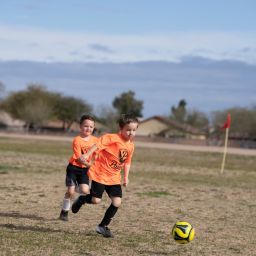
Training competitive athletes is a multifaceted endeavor that requires a comprehensive approach, incorporating physical conditioning, technical skill development, mental preparation, and strategic planning. For clubs aiming to nurture and develop young athletes into competitive players, understanding the intricacies of each component and how they interlink is crucial. This article delves into the strategies, methods, and best practices that clubs can adopt to effectively train competitive athletes, particularly in the context of youth sports.
Understanding the Foundation of Competitive Athletes
Before diving into the specifics of training, it’s essential to understand what makes an athlete competitive. Competitive athletes typically possess a combination of natural ability, a strong work ethic, and a keen desire to succeed. However, these inherent qualities need to be honed and refined through structured training and development programs. Clubs play a pivotal role in this process by providing the necessary resources, support, and guidance.
Identifying Talent and Potential
The first step in training competitive athletes is identifying talent and potential. This involves scouting for young players who exhibit not only physical prowess but also a passion for the sport and a willingness to learn and improve. Clubs can organize trials, training sessions, and assessments to evaluate potential athletes. It’s crucial, however, to approach this process with a long-term perspective, recognizing that potential can manifest at different ages and stages of development.
Creating a Developmental Pathway
A well-structured developmental pathway is essential for clubs aiming to train competitive athletes. This pathway should outline the progression from beginner levels to elite competition, including clear objectives, training protocols, and performance metrics at each stage. The pathway should be flexible enough to accommodate different learning rates and styles, ensuring that each athlete can progress at their own pace.
Age-Specific Training
Age-specific training is a critical component of the developmental pathway. Different age groups have unique physical, psychological, and social needs. For instance, younger athletes may require more focus on fundamental movement skills and game sense, while older athletes can engage in more specialized and intense training. Clubs should tailor their training programs to meet these age-specific needs, ensuring that athletes are neither under-challenged nor overwhelmed.
Implementing Effective Training Methods
Effective training for competitive athletes involves a blend of physical conditioning, technical drills, tactical awareness, and mental preparation. Clubs should adopt a holistic approach, recognizing that each aspect of training influences the others.
Physical Conditioning
Physical conditioning is the foundation upon which all other aspects of athletic performance are built. This includes cardiovascular endurance, strength, speed, agility, and flexibility. Clubs can engage athletes in a variety of conditioning exercises and activities, such as plyometrics, resistance training, and high-intensity interval training (HIIT), tailored to the specific demands of their sport.
Technical and Tactical Development
Technical skills are the building blocks of any sport, and their mastery is essential for competitive success. Clubs should provide regular technical training sessions, focusing on both individual skills and team play. Tactical awareness, or the ability to read the game and make effective decisions, is also crucial and can be developed through game-like scenarios and video analysis.
Mental Preparation
Mental preparation is often the distinguishing factor between athletes of similar physical and technical ability. Clubs can support athletes in developing resilience, focus, and confidence through mindfulness practices, visualization techniques, and performance psychology workshops. Encouraging a growth mindset, where challenges are seen as opportunities for growth rather than threats to ego, is also vital.
Providing Opportunities for Competition and Feedback
Competition is a vital part of the development process, offering athletes the chance to apply their skills in pressurized situations and receive feedback on their performance. Clubs should seek out a variety of competitive opportunities, from local tournaments to national championships, tailored to the level and age of their athletes.
Constructive Feedback and Analysis
Feedback is a powerful tool for improvement, allowing athletes to identify areas of strength and weakness. Clubs should provide regular, constructive feedback through coaching, video analysis, and self-assessment tools. This feedback should be specific, actionable, and focused on the process of improvement rather than outcome.
Supporting Athlete Well-being
The well-being of athletes is paramount, encompassing not only their physical health but also their mental and emotional welfare. Clubs have a responsibility to create a supportive environment that fosters athletes’ overall development and protects them from burnout, injury, and other negative consequences of intense training.
Nutrition and Recovery
Proper nutrition and recovery strategies are essential for athletes to perform at their best and adapt to the demands of training. Clubs can offer guidance on nutrition planning, hydration, and recovery techniques such as stretching, foam rolling, and sleep management.
Mental Health Support
Mental health support is critical, especially in high-pressure competitive environments. Clubs should have resources in place for athletes to access counseling, mindfulness programs, and other forms of psychological support, promoting a culture where mental health is prioritized and discussing challenges is encouraged.
Engaging Parents and the Community
The role of parents and the broader community in supporting how can clubs monitor athlete development”>athlete development cannot be overstated. Clubs can foster a collaborative environment by keeping parents informed about training programs, competitive schedules, and athlete progress. This not only enhances the athlete’s support system but also helps in building a stronger, more engaged sports community.
Volunteer Opportunities
Encouraging parents and community members to volunteer can help in managing events, coaching, and administrative tasks, thereby reducing the burden on club staff and allowing them to focus on athlete development.
Educational Workshops
Organizing educational workshops for parents on topics such as sports nutrition, injury prevention, and mental health can empower them with the knowledge to better support their child’s athletic journey.
Conclusion
Training competitive athletes is a complex, multifaceted process that requires careful planning, dedication, and a deep understanding of athlete development. By creating a supportive, structured environment that focuses on physical, technical, tactical, and mental development, clubs can play a pivotal role in nurturing young athletes into competitive players. Remember, the journey to competitive success is long and requires patience, persistence, and a commitment to continuous improvement. By working together—clubs, athletes, parents, and the community—youth sports can flourish, and the next generation of competitive athletes can be empowered to reach their full potential.