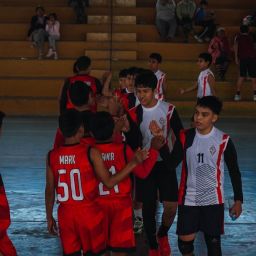
Building beginner programs is a crucial aspect of any sports club, as it provides a foundation for young athletes to develop their skills, build their confidence, and foster a lifelong love for the sport. In this article, we will explore the importance of beginner programs, the key elements that make them successful, and provide practical tips for clubs to build and implement effective beginner programs.
Introduction to Beginner Programs
Beginner programs are designed for young athletes who are new to a sport or have limited experience. These programs aim to introduce the fundamentals of the sport, teach basic skills, and provide a fun and supportive environment for athletes to learn and grow. Beginner programs are essential for several reasons:
- They provide a safe and welcoming environment for young athletes to try a new sport without feeling intimidated or overwhelmed.
- They help to develop fundamental movement skills, such as running, jumping, and throwing, which are essential for overall athletic development.
- They introduce athletes to the rules and regulations of the sport, helping them to understand the game and develop a passion for it.
Key Elements of Successful Beginner Programs
So, how can clubs build development programs”>clubs build beginner programs that are effective and engaging? Here are some key elements to consider:
Age-Appropriate Training
Beginner programs should be tailored to the age and skill level of the athletes. For younger athletes (ages 5-8), the focus should be on fun and play, with an emphasis on developing fundamental movement skills. As athletes get older (ages 9-12), the focus can shift to more sport-specific skills and game-like scenarios.
Qualified Coaches
Coaches play a critical role in beginner programs. They should be experienced, knowledgeable, and passionate about working with young athletes. Coaches should be able to create a positive and supportive environment, provide constructive feedback, and make the learning process fun and engaging.
Small Group Sizes
Small group sizes are essential for beginner programs. This allows athletes to receive individual attention, feedback, and instruction from coaches. It also helps to build camaraderie and teamwork among athletes, which is critical for their development and enjoyment of the sport.
Game-Like Scenarios
Beginner programs should include game-like scenarios that simulate the actual game. This helps athletes to develop their decision-making skills, reaction time, and ability to work with others. Game-like scenarios also make the learning process more engaging and fun, as athletes get to apply the skills they have learned in a realistic and competitive environment.
Practical Tips for Building Beginner Programs
So, how can clubs build beginner programs that are effective and engaging? Here are some practical tips:
Conduct Needs Assessments
Conduct needs assessments to identify the skills and interests of your athletes. This will help you to tailor your program to meet their needs and provide a more personalized learning experience.
Develop a Curriculum
Develop a curriculum that outlines the skills and topics to be covered in the program. This will help to ensure that athletes receive a comprehensive and well-structured learning experience.
Provide Feedback and Evaluation
Provide regular feedback and evaluation to athletes, coaches, and parents. This will help to identify areas for improvement, track progress, and make adjustments to the program as needed.
Foster a Positive Environment
Foster a positive and supportive environment that encourages athletes to try new things, take risks, and learn from their mistakes. This will help to build their confidence, self-esteem, and love for the sport.
Opportunities for Athletes
Beginner programs provide a wide range of opportunities for athletes, including:
Skill Development
Beginner programs provide athletes with the opportunity to develop their skills and learn the fundamentals of the sport.
Socialization
Beginner programs provide athletes with the opportunity to meet new people, make friends, and develop social skills, such as communication, teamwork, and sportsmanship.
Competition
Beginner programs provide athletes with the opportunity to compete in a fun and supportive environment, which helps to build their confidence, self-esteem, and competitive spirit.
Advice for Parents
As a parent, you play a critical role in supporting your child’s development and enjoyment of the sport. Here are some tips:
Be Supportive
Be supportive and encouraging, providing positive feedback and reinforcement to help build your child’s confidence and self-esteem.
Communicate with Coaches
Communicate with coaches and ask questions about the program, the coaching philosophy, and the expectations for your child.
Focus on Fun
Focus on fun and enjoyment, rather than winning or achievement. This will help your child to develop a lifelong love for the sport and a positive attitude towards physical activity.
Advice for Coaches
As a coach, you play a critical role in shaping the experience of your athletes. Here are some tips:
Create a Positive Environment
Create a positive and supportive environment that encourages athletes to try new things, take risks, and learn from their mistakes.
Provide Feedback and Evaluation
Provide regular feedback and evaluation to athletes, helping them to identify areas for improvement and track their progress.
Be Patient and Flexible
Be patient and flexible, recognizing that every athlete is different and may learn at their own pace.
Conclusion
Building beginner programs is a critical aspect of any sports club, providing a foundation for young athletes to develop their skills, build their confidence, and foster a lifelong love for the sport. By following the tips and advice outlined in this article, clubs can create effective and engaging beginner programs that meet the needs of their athletes, provide a positive and supportive environment, and foster a love for the sport that will last a lifetime. Remember, the key to building successful beginner programs is to focus on fun, development, and enjoyment, rather than winning or achievement. By doing so, you will help to create a positive and supportive environment that encourages athletes to try new things, take risks, and learn from their mistakes.