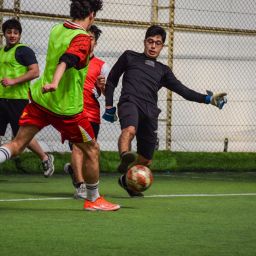
Developing effective coaching programs is essential for sports clubs to improve player performance, increase participation, and foster a positive environment for youth athletes. A well-structured coaching program can help clubs achieve their goals, enhance the overall experience for players, and contribute to the growth and development of the sport. In this article, we will explore the key steps and considerations for clubs to develop coaching programs that cater to the needs of young athletes.
Understanding the Importance of Coaching Programs
Coaching programs are the backbone of any sports club, providing a framework for athletes to learn, develop, and improve their skills. A good coaching program can make a significant difference in the success of a club, influencing player retention, performance, and overall satisfaction. Clubs that invest in developing coaching programs demonstrate a commitment to the growth and development of their athletes, which can lead to increased participation, better performance, and a more positive experience for all involved.
Identifying the Objectives of a Coaching Program
Before developing a coaching program, clubs need to define their objectives and outcomes. This involves considering the age, skill level, and goals of the athletes, as well as the resources and capabilities of the club. Some key objectives of a coaching program may include:
- Improving technical skills and knowledge
- Enhancing physical fitness and conditioning
- Developing tactical awareness and game sense
- Fostering teamwork, communication, and sportsmanship
- Providing opportunities for player development and progression
- Coach Recruitment: Advertise coaching positions, and recruit coaches through local coaching associations, sports organizations, and word of mouth.
- Coach Education and Development: Provide opportunities for coaches to attend workshops, clinics, and courses to enhance their knowledge and skills.
- Coach Mentorship: Pair experienced coaches with less experienced ones to provide guidance, support, and feedback.
- Age and Skill Level: Design coaching sessions that cater to the age, skill level, and abilities of the athletes.
- Progression and Regression: Include activities and exercises that allow athletes to progress or regress depending on their individual needs and abilities.
- Variety and Rotation: Incorporate a variety of coaching sessions, drills, and games to maintain athlete engagement and interest.
- Session Planning: Develop detailed plans for each coaching session, including warm-ups, drills, games, and cool-downs.
- Communication: Encourage open communication between coaches, athletes, and parents to ensure everyone is informed and engaged.
- Safety and Injury Prevention: Prioritize athlete safety and well-being by providing a safe training environment, promoting proper warm-up and cool-down procedures, and having injury prevention strategies in place.
- Monitor Athlete Progress: Track athlete development and progress to identify areas for improvement.
- Gather Feedback: Collect feedback from athletes, parents, and coaches to identify strengths, weaknesses, and areas for improvement.
- Review and Revise: Regularly review the coaching program and make revisions as necessary to ensure it remains aligned with the club’s objectives and athlete needs.
- Talent Identification and Development Programs: Implement programs that identify and support talented athletes, providing them with additional coaching, training, and competition opportunities.
- Competitions and Tournaments: Participate in local, regional, and national competitions to provide athletes with opportunities to test their skills and gain experience.
- Pathways and Progression: Establish clear pathways for athlete progression, including opportunities for athletes to move into higher-level teams, programs, or competitions.
- Communicate Effectively: Keep parents informed about coaching sessions, competitions, and athlete progress.
- Involve Parents in the Coaching Process: Encourage parents to participate in coaching sessions, provide feedback, and support athlete development.
- Build Partnerships: Foster relationships with local schools, community groups, and businesses to promote the club and its coaching program.
Building a Coaching Team
A crucial aspect of developing a coaching program is building a team of qualified, experienced, and passionate coaches. Clubs should look for coaches who possess the necessary skills, knowledge, and certifications to deliver high-quality training sessions. Considerations for building a coaching team include:
Creating a Coaching Curriculum
A coaching curriculum outlines the structure, content, and progression of coaching sessions. It should be tailored to the needs and objectives of the club and its athletes. Key considerations for creating a coaching curriculum include:
Delivering Coaching Sessions
The delivery of coaching sessions is critical to the success of a coaching program. Clubs should ensure that coaching sessions are well-planned, organized, and executed. Considerations for delivering coaching sessions include:
Evaluating and Refining the Coaching Program
Regular evaluation and refinement of the coaching program are essential to ensure it remains effective and relevant. Clubs should:
Providing Opportunities for Player Development
Clubs should provide opportunities for athletes to develop and progress, both within the club and beyond. This may include:
Engaging Parents and the Community
Engaging parents and the community is vital to the success of a coaching program. Clubs should:
Conclusion
Developing effective coaching programs is crucial for sports clubs to provide a positive and productive environment for young athletes. By understanding the importance of coaching programs, building a coaching team, creating a coaching curriculum, delivering coaching sessions, evaluating and refining the program, providing opportunities for player development, and engaging parents and the community, clubs can create a coaching program that supports the growth and development of their athletes. Remember, a well-structured coaching program is essential for improving player performance, increasing participation, and fostering a love for the sport that will last a lifetime.