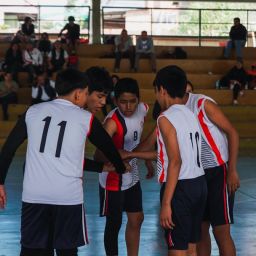
Managing tournaments is a crucial aspect of sports clubs, requiring meticulous planning, organization, and execution. For youth sports, in particular, the way tournaments are managed can significantly impact the development and experience of young athletes. This article delves into the intricacies of tournament management, providing insights and advice for athletes, parents, and sports clubs alike.
Introduction to Tournament Management
Tournament management encompasses a wide range of activities, from the initial planning stages to the final execution and evaluation of the event. It involves setting clear objectives, defining the tournament format, choosing a venue, managing registrations, scheduling matches, and ensuring safety and fairness for all participants. Effective tournament management not only enhances the quality of the competition but also contributes to the overall satisfaction of athletes, coaches, and spectators.
Pre-Tournament Planning
Setting Objectives and Format
The first step in managing a tournament is setting clear objectives. What is the purpose of the tournament? Is it for development, competition, or fundraising? Once the objectives are defined, the next step is to decide on the tournament format. This could be a round-robin, knockout, or a combination of both. The format should be chosen based on the number of participating teams, the age group of the athletes, and the available time frame.
Choosing a Venue
Selecting an appropriate venue is critical. The venue should have the necessary facilities to accommodate all participating teams and spectators comfortably. Considerations should include the quality of the playing fields, availability of changing rooms, first aid facilities, and parking. For youth sports, it’s also important to ensure that the venue is safe and accessible for children and their families.
Registration and Team Management
Managing team registrations is another key aspect. This involves creating a registration process that is easy to follow, setting deadlines, and ensuring that all necessary information is collected. This could include team rosters, contact information for coaches and managers, and any relevant medical information for the athletes. Utilizing online registration platforms can streamline this process and reduce administrative burdens.
During the Tournament
Scheduling and Refereeing
Scheduling matches is a complex task, especially in tournaments with multiple teams and age groups. The schedule should be designed to minimize conflicts, ensure fair rest times between matches for each team, and accommodate any special requests, such as scheduling around other competitions or events. Additionally, recruiting and managing referees and officials is vital. They must be trained, knowledgeable about the rules of the sport, and impartial to ensure the integrity of the competition.
Safety and First Aid
Ensuring the safety of all participants is paramount. This involves having a first aid plan in place, including trained personnel and equipped first aid kits. The tournament should also have policies for dealing with injuries, weather conditions, and other potential safety hazards. For youth sports, there should be additional considerations, such as concussion protocols and ensuring that athletes are hydrated and protected from the elements.
Communication
Effective communication is crucial during the tournament. This includes keeping participants, spectators, and officials informed about schedules, results, and any changes or updates. Utilizing social media, messaging apps, and public address systems can help in disseminating information quickly and efficiently.
Post-Tournament Evaluation
Feedback and Review
After the tournament, it’s essential to gather feedback from participants, coaches, and spectators. This feedback can be invaluable in identifying what worked well and what areas need improvement for future events. Conducting a thorough review of the tournament, including financial management, logistical arrangements, and the overall competitive balance, helps in making informed decisions for future tournaments.
Recognition and Awards
Recognizing the achievements of the participants, whether through awards ceremonies or social media acknowledgments, adds a rewarding dimension to the tournament experience. For youth sports, in particular, recognizing effort, sportsmanship, and improvement can be just as important as winning, fostering a positive and inclusive environment.
Practical Tips for Athletes and Parents
- Preparation is Key: For athletes, preparing physically and mentally before the tournament is crucial. This includes training regularly, eating well, and getting enough rest.
- Stay Informed: Parents and athletes should stay updated on tournament schedules, rules, and any last-minute changes.
- Safety First: Always prioritize safety, ensuring that athletes warm up properly before matches and stay hydrated throughout the tournament.
- Sportsmanship: Encouraging good sportsmanship among athletes is vital. Winning graciously and losing with dignity are important life skills that sports can teach.
- Volunteer Management: Sports clubs often rely on volunteers to manage tournaments. Ensuring that volunteers are well-trained and aware of their roles and responsibilities is essential.
- Sponsorship and Funding: Exploring sponsorship opportunities and managing tournament finances effectively can help in making the event more successful and sustainable.
- Technology Integration: Leveraging technology, such as tournament management software and social media, can streamline operations, improve communication, and enhance the overall tournament experience.
Guidance for Sports Clubs
In conclusion, managing tournaments is a multifaceted task that requires careful planning, meticulous execution, and a commitment to providing a positive experience for all involved. By understanding the complexities of tournament management and following the advice and tips outlined above, sports clubs can host successful and enjoyable tournaments that contribute to the development and enjoyment of youth sports. Whether you are an athlete, parent, or part of a sports club, being involved in well-managed tournaments can foster a lifelong love of sports, promote healthy lifestyles, and create lasting memories.