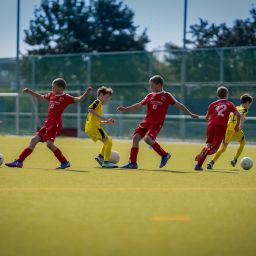
Building a strong team culture is essential for the success of any sports team, particularly in youth sports. A positive team culture can foster a sense of belonging, promote teamwork, and drive player development. In this article, we will explore the importance of team culture in youth sports and provide practical tips on how sports teams build team culture”>sports teams can build a strong and positive team culture.
Understanding Team Culture
Team culture refers to the values, beliefs, and attitudes that shape the behavior and interactions of team members. It encompasses the way players, coaches, and staff interact with each other, the way they approach training and competition, and the way they represent their team and organization. A strong team culture can have a profound impact on team performance, player development, and the overall experience of being part of a sports team.
The Importance of Team Culture in Youth Sports
In youth sports, team culture plays a critical role in shaping the experiences of young athletes. A positive team culture can help young players develop important life skills such as teamwork, communication, and resilience. It can also foster a love of the game, promote physical activity, and provide opportunities for socialization and friendship. On the other hand, a negative team culture can lead to burnout, decreased motivation, and a lack of enjoyment.
Building a Strong Team Culture
So, how can sports teams build a strong and positive team culture? Here are some practical tips:
Establish Clear Values and Expectations
Establishing clear values and expectations is essential for building a strong team culture. Teams should define their core values and expectations and communicate them clearly to all team members. This can be done through team meetings, workshops, or one-on-one discussions. Coaches and leaders should model the behavior they expect from their players, and team members should be held accountable for upholding these values and expectations.
Foster Open Communication
Open communication is critical for building trust and fostering a sense of belonging within a team. Coaches and leaders should encourage open and honest communication among team members, and create opportunities for players to share their thoughts, feelings, and concerns. This can be done through regular team meetings, feedback sessions, or one-on-one discussions.
Promote Teamwork and Collaboration
Teamwork and collaboration are essential for success in sports. Teams should encourage players to work together, support each other, and celebrate each other’s successes. This can be done through team-building activities, group training sessions, or community service projects.
Provide Opportunities for Player Development
Providing opportunities for player development is critical for building a strong team culture. Teams should offer training sessions, workshops, and coaching clinics to help players improve their skills and knowledge of the game. This can be done through individualized training programs, small group coaching, or team-wide training sessions.
Recognize and Reward Positive Behavior
Recognizing and rewarding positive behavior is essential for reinforcing a strong team culture. Teams should recognize and reward players who demonstrate positive behavior, such as good sportsmanship, teamwork, and respect for others. This can be done through awards, recognition ceremonies, or public acknowledgement.
Creating a Positive Team Environment
Creating a positive team environment is critical for building a strong team culture. Here are some practical tips:
Foster a Sense of Belonging
Fostering a sense of belonging is essential for creating a positive team environment. Teams should encourage players to feel connected to their teammates, coaches, and the team as a whole. This can be done through team-building activities, social events, or community service projects.
Promote Positive Body Language and Behavior
Promoting positive body language and behavior is critical for creating a positive team environment. Teams should encourage players to demonstrate positive body language, such as maintaining eye contact, using positive gestures, and displaying enthusiasm and energy.
Encourage Player Feedback and Input
Encouraging player feedback and input is essential for creating a positive team environment. Teams should encourage players to share their thoughts, feelings, and concerns, and use this feedback to make informed decisions about team practices, training sessions, and game strategies.
Overcoming Challenges and Setbacks
Building a strong team culture is not without its challenges and setbacks. Here are some practical tips for overcoming common obstacles:
Managing Conflict and Disagreements
Managing conflict and disagreements is essential for maintaining a positive team culture. Teams should establish clear procedures for managing conflict, such as mediation, negotiation, or conflict resolution workshops.
Dealing with Adversity and Failure
Dealing with adversity and failure is critical for building resilience and perseverance within a team. Teams should encourage players to view setbacks and failures as opportunities for growth and learning, and provide support and guidance to help players bounce back from adversity.
Maintaining Momentum and Motivation
Maintaining momentum and motivation is essential for sustaining a strong team culture over time. Teams should establish clear goals and objectives, provide regular feedback and recognition, and offer opportunities for player development and growth.
Conclusion
Building a strong team culture is essential for the success of any sports team, particularly in youth sports. By establishing clear values and expectations, fostering open communication, promoting teamwork and collaboration, providing opportunities for player development, and recognizing and rewarding positive behavior, teams can create a positive and supportive team environment that fosters growth, development, and success. By following these practical tips and guidelines, sports teams can build a strong and positive team culture that benefits players, coaches, and the team as a whole.