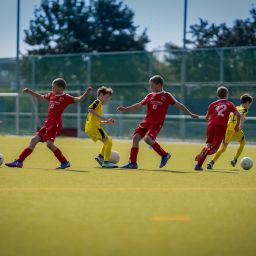
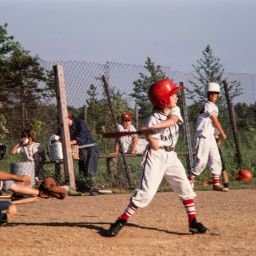
Building a strong sports profile is essential for athletes, especially in youth sports, as it can open doors to new opportunities, such as college scholarships, professional contracts, and sponsorships. A well-crafted sports profile showcases an athlete’s skills, achievements, and dedication to their sport, making it easier for coaches, scouts, and recruiters to identify top talent. In this article, we will explore the ways athletes can build their sports profiles, providing helpful advice for athletes, parents, and sports clubs.
Understanding the Importance of a Sports Profile
A sports profile is a collection of information that highlights an athlete’s athletic ability, academic achievements, and personal characteristics. It serves as a digital resume, allowing athletes to promote themselves to colleges, universities, and professional teams. A strong sports profile can help athletes stand out from the competition, increasing their chances of being noticed by coaches and recruiters.
Key Components of a Sports Profile
A comprehensive sports profile should include the following components:
- Athletic history: A detailed account of the athlete’s sports experience, including teams played for, positions held, and any notable achievements.
- Statistics and awards: A record of the athlete’s performance statistics, such as goals scored, points earned, or records broken, as well as any awards or recognition received.
- Academic information: The athlete’s academic record, including GPA, test scores, and any academic awards or honors.
- Personal statement: A brief statement outlining the athlete’s goals, motivations, and values.
- Photos and videos: Action shots and videos showcasing the athlete’s skills and techniques.
- Online platforms: Websites such as Athlete Profile, SportsRecruits, and CaptainU allow athletes to create and manage their sports profiles, making it easy to share information with coaches and recruiters.
- Social media: Social media platforms like Instagram, Twitter, and Facebook can be used to showcase an athlete’s personality, skills, and achievements.
- Personal website or blog: Creating a personal website or blog allows athletes to have full control over their sports profile, customizing the content and design to suit their needs.
- Keep it up-to-date: Regularly update the sports profile with new information, achievements, and statistics.
- Use high-quality photos and videos: Ensure that all photos and videos are of high quality, clearly showcasing the athlete’s skills and techniques.
- Be honest and accurate: Ensure that all information is accurate and truthful, as any discrepancies can damage the athlete’s reputation.
- Showcase personality: Use the sports profile to showcase the athlete’s personality, values, and motivations, making it easier for coaches and recruiters to get a sense of who they are.
- Choose the right platforms: Focus on the platforms that are most relevant to the sport and target audience, such as Instagram for visual sports like football and basketball.
- Post regularly: Regularly post updates, photos, and videos to keep the audience engaged and interested.
- Engage with others: Respond to comments and messages, engaging with other athletes, coaches, and recruiters to build relationships and network.
- Use hashtags: Use relevant hashtags to increase the visibility of posts, making it easier for coaches and recruiters to find and follow the athlete.
- Set boundaries: Establish clear boundaries and guidelines for social media use, avoiding any content that could be deemed inappropriate or offensive.
- Monitor posts: Regularly monitor posts and comments, ensuring that they align with the athlete’s values and goals.
- Be authentic: Use social media to showcase the athlete’s authentic personality, values, and motivations, rather than trying to create a fake or manufactured image.
- Research and target: Research and target coaches and recruiters who are interested in the athlete’s sport and position, increasing the chances of being noticed.
- Communicate effectively: Communicate effectively with coaches and recruiters, responding promptly to messages and requests.
- Be proactive: Be proactive in seeking out opportunities, such as attending camps and showcases, and reaching out to coaches and recruiters directly.
- Attend events: Attend sports events, camps, and showcases to connect with coaches, recruiters, and other athletes.
- Join teams and clubs: Join local teams and clubs to connect with other athletes and coaches, building relationships and networking.
- Volunteer: Volunteer for sports-related events and organizations, demonstrating commitment and dedication to the sport.
Creating a Sports Profile
There are several ways athletes can create a sports profile, including:
Tips for Building a Strong Sports Profile
To build a strong sports profile, athletes should follow these tips:
Leveraging Social Media to Enhance the Sports Profile
Social media can be a powerful tool for athletes looking to build their sports profile. By creating a strong online presence, athletes can increase their visibility, connect with coaches and recruiters, and promote their brand. Here are some tips for leveraging social media:
Managing Social Media Presence
Athletes should be mindful of their social media presence, ensuring that it is professional and respectful. Here are some tips for managing social media:
Working with Coaches and Recruiters
Building relationships with coaches and recruiters is crucial for athletes looking to advance their sports career. Here are some tips for working with coaches and recruiters:
Networking and Building Relationships
Networking and building relationships with coaches, recruiters, and other athletes can help athletes build their sports profile and advance their career. Here are some tips for networking:
Conclusion
Building a strong sports profile is essential for athletes looking to advance their sports career. By creating a comprehensive sports profile, leveraging social media, and working with coaches and recruiters, athletes can increase their visibility, promote their brand, and open doors to new opportunities. Remember to stay up-to-date, be honest and accurate, and showcase personality, using social media to enhance the sports profile and build relationships with coaches, recruiters, and other athletes. With dedication and hard work, athletes can build a strong sports profile that helps them achieve their goals and succeed in their sport.