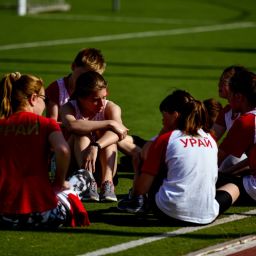
Scheduling games is a crucial aspect of managing a sports club, as it affects not only the team’s performance but also the overall experience of the players, coaches, and parents. In youth sports, where development and fun are paramount, the scheduling process requires careful consideration to ensure fairness, safety, and opportunities for growth. This article will delve into the intricacies of how Do Sports Clubs Schedule Games”>sports clubs schedule games, providing insights, advice, and practical tips for athletes, parents, and sports clubs alike.
Understanding the Scheduling Process
The process of scheduling games involves several factors, including the availability of facilities, the number of teams participating, the level of competition, and the age and skill level of the players. do sports clubs organize tournaments”>Sports clubs typically begin by identifying the number of games each team will play during the season, the duration of the season, and the days of the week when games can be scheduled. This information is then used to create a master schedule that outlines all the games for the season.
Factors Influencing Scheduling
Several factors influence how sports clubs schedule games. These include:
- Facility Availability: The availability of fields, courts, or rinks can significantly impact the scheduling process. Clubs must ensure that they have access to suitable facilities for all their games.
- Team and Player Safety: Ensuring player safety is critical. Schedules should be designed to avoid overloading teams with too many games in a short period, which can increase the risk of injuries.
- Competitive Balance: Schedules should aim to achieve a competitive balance, where teams of similar skill levels are matched against each other to promote fair and engaging competitions.
- Travel Considerations: For clubs that participate in regional or national leagues, travel distances and times must be considered to minimize the burden on players and families.
- Round-Robin Formats: This format, where each team plays every other team, can be effective for smaller leagues, promoting fairness and ensuring that each team plays a balanced schedule.
- Divisional Play: Larger leagues can be divided into smaller divisions based on skill level. This ensures that teams are competing against similar opponents, enhancing the competitive experience.
- Scheduling Software: Utilizing scheduling software can streamline the process, helping clubs to manage complex schedules, avoid conflicts, and make adjustments as needed.
- Stay Informed: Regularly check the club’s website, social media, or communication channels for schedule updates and changes.
- Plan Ahead: Once the schedule is released, plan travel, meals, and other logistics well in advance to avoid last-minute rushes.
- Be Flexible: Be prepared for schedule changes due to weather conditions, facility issues, or other unforeseen circumstances.
- Skill-Specific Clinics: Offering clinics focused on specific skills, such as shooting, passing, or goaltending, can help players refine their techniques.
- Conditioning Sessions: Scheduling conditioning sessions can improve players’ fitness levels, reducing the risk of injury and enhancing overall performance.
- Mentorship Programs: Pairing younger players with more experienced teammates or coaches can provide valuable guidance and support.
Creating a Fair and Balanced Schedule
Creating a schedule that is fair and balanced is essential for the development of young athletes. A well-structured schedule allows for consistent playing time, adequate rest periods, and opportunities for teams to compete against a variety of opponents. Here are some strategies sports clubs can use to achieve this balance:
Tips for Athletes and Parents
For athletes and parents, understanding the scheduling process can help manage expectations and make the most out of the sports season. Here are some tips:
Opportunities for Player Development
Beyond the competitive aspect, sports clubs should also focus on providing opportunities for player development. This includes scheduling training sessions, clinics, and friendly matches that cater to different skill levels and age groups. By incorporating these elements into the schedule, clubs can foster a supportive environment that encourages growth, learning, and fun.
Training and Development Programs
Incorporating training and development programs into the schedule can significantly enhance the youth sports experience. These programs can include:
Conclusion
Scheduling games in sports clubs is a multifaceted task that requires careful planning, consideration of various factors, and a commitment to fairness, safety, and player development. By understanding the scheduling process and implementing strategies that promote balance and opportunities for growth, sports clubs can create a positive and rewarding experience for athletes, parents, and coaches. Whether you are an athlete looking to improve your skills, a parent seeking the best environment for your child, or a club administrator aiming to manage a successful sports program, recognizing the importance of thoughtful scheduling is the first step towards achieving your goals in the world of youth sports.