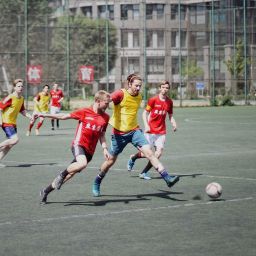
Are you tired of feeling like your sports club team is disjointed and lacking in cohesion? Do you dream of having a well-oiled machine that works together seamlessly to achieve victory? Look no further! Effective team coordination is the key to unlocking your team’s full potential, and in this comprehensive guide, we’ll show you how to master the art of sports club team coordination.
Understanding the Importance of Team Coordination
Team coordination is the backbone of any successful sports club team. It’s the glue that holds your team together, allowing you to work towards a common goal and achieve success. When your team is well-coordinated, you’ll notice a significant improvement in communication, strategy, and overall performance. But what exactly is team coordination, and why is it so crucial for success? Team coordination refers to the process of organizing and managing your team’s efforts to achieve a specific objective. It involves creating a shared understanding of the team’s vision, goals, and values, as well as establishing clear roles, responsibilities, and communication channels.
Effective team coordination is essential for several reasons. Firstly, it promotes a sense of unity and cohesion among team members, which is critical for building trust and camaraderie. When team members feel connected and work together towards a common goal, they’re more likely to be motivated, engaged, and committed to the team’s success. Secondly, team coordination helps to prevent misunderstandings and miscommunications, which can be detrimental to a team’s performance. By establishing clear communication channels and protocols, you can ensure that everyone is on the same page and working towards the same objective. Finally, team coordination enables your team to adapt and respond to changing circumstances, such as injuries, weather conditions, or unexpected opponent strategies.
Building a Strong Team Coordination Framework
So, how do you build a strong team coordination framework? It starts with establishing a clear vision and mission statement that defines your team’s purpose, values, and objectives. This will serve as the foundation for your team’s coordination efforts, ensuring that everyone is working towards the same goal. Next, you need to define clear roles and responsibilities for each team member, including coaches, players, and support staff. This will help prevent confusion and overlapping work, while also ensuring that each team member knows what’s expected of them.
Another critical aspect of team coordination is communication. You need to establish open, honest, and respectful communication channels that allow team members to share their thoughts, ideas, and concerns. This can be achieved through regular team meetings, one-on-one coaching sessions, and online communication platforms. It’s also essential to promote active listening and feedback, encouraging team members to ask questions, seek clarification, and provide constructive feedback.
In addition to these foundational elements, you can also use various tools and technologies to enhance team coordination. For example, you can use project management software to track progress, assign tasks, and set deadlines. You can also use video analysis tools to review game footage, identify areas for improvement, and develop targeted training programs. Social media platforms can also be used to share information, promote team events, and engage with fans and supporters.
Implementing Effective Team Coordination Strategies
Now that you have a solid foundation in place, it’s time to implement effective team coordination strategies that will take your team to the next level. One of the most effective strategies is to focus on building a positive team culture. This involves creating a supportive, inclusive, and respectful environment that encourages team members to work together, share ideas, and learn from each other. You can achieve this by promoting teamwork, recognizing individual contributions, and celebrating successes.
Another key strategy is to develop a flexible and adaptable game plan that can be adjusted to suit different opponents, weather conditions, and game situations. This involves analyzing your opponents’ strengths and weaknesses, identifying areas for improvement, and developing targeted strategies to exploit their vulnerabilities. You can also use data analysis and sports analytics to inform your decision-making, track player performance, and optimize your team’s overall strategy.
In addition to these strategic approaches, you can also use various team coordination techniques to enhance your team’s performance. For example, you can use visualization techniques to help team members prepare for games, overcome anxiety, and develop a winning mindset. You can also use team-building activities, such as scavenger hunts, escape rooms, and volunteer work, to promote bonding, trust, and camaraderie.
Overcoming Common Team Coordination Challenges
Despite your best efforts, you may still encounter common team coordination challenges that can hinder your team’s performance. One of the most significant challenges is communication breakdowns, which can occur due to misunderstandings, miscommunications, or lack of clarity. To overcome this challenge, you need to establish clear communication channels, promote active listening, and encourage feedback.
Another common challenge is conflicting personalities and egos, which can create tension, conflict, and division within the team. To overcome this challenge, you need to promote a positive team culture, encourage open communication, and foster a sense of respect and empathy among team members. You can also use conflict resolution techniques, such as mediation, negotiation, and problem-solving, to resolve disputes and find mutually beneficial solutions.
Finally, you may also encounter challenges related to teamwork, motivation, and engagement. To overcome these challenges, you need to promote a sense of shared purpose, recognize individual contributions, and celebrate team successes. You can also use incentives, rewards, and recognition programs to motivate team members, encourage participation, and foster a sense of commitment and loyalty.
Conclusion and Key Takeaways
In conclusion, mastering sports club team coordination is a critical component of success in any sports team. By understanding the importance of team coordination, building a strong coordination framework, implementing effective strategies, and overcoming common challenges, you can unlock your team’s full potential and achieve victory. Remember to establish a clear vision and mission statement, define clear roles and responsibilities, and promote open and honest communication. Use tools and technologies to enhance team coordination, focus on building a positive team culture, and develop flexible and adaptable game plans.
The key takeaways from this comprehensive guide are:
- Team coordination is the backbone of any successful sports club team
- Establishing a clear vision, mission statement, and roles and responsibilities is critical for effective team coordination
- Communication, active listening, and feedback are essential for building trust, preventing misunderstandings, and promoting a positive team culture
- Using tools and technologies, such as project management software, video analysis tools, and social media platforms, can enhance team coordination and performance
- Building a positive team culture, developing flexible and adaptable game plans, and promoting teamwork, motivation, and engagement are critical for achieving success
By following these key takeaways and implementing the strategies outlined in this guide, you’ll be well on your way to mastering sports club team coordination and achieving victory in your chosen sport. So, get ready to take your team to the next level and start winning today!