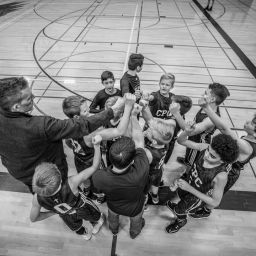
Building a multicultural team in a sports club can be a highly rewarding experience, offering a unique opportunity for players from diverse backgrounds to come together, learn from each other, and grow both as athletes and individuals. Multicultural teams not only enrich the club’s environment but also provide a broader perspective on the sport, fostering creativity, understanding, and mutual respect among team members. In this article, we will explore the benefits of multicultural teams and provide practical advice on how clubs can build and nurture these teams, especially in the context of youth sports.
Understanding the Benefits of Multicultural Teams
Before diving into the strategies for building multicultural teams, it’s essential to understand the benefits they bring to a sports club. Multicultural teams can:
- Enhance Cultural Awareness and Exchange: Players learn about different cultures, traditions, and values, promoting a more open-minded and tolerant team environment.
- Foster Creativity and Innovation: Diverse perspectives can lead to new strategies and approaches in the sport, enriching the team’s overall performance.
- Improve Communication Skills: Players must adapt to communicate effectively with teammates who may speak different languages or have different communication styles, enhancing their ability to work in diverse environments.
- Increase Empathy and Understanding: By interacting with people from different backgrounds, players develop a deeper understanding of the challenges and experiences of others, promoting a more cohesive and supportive team.
- Outreach Programs: Develop outreach programs to attract players from various cultural backgrounds. This could include partnering with community centers, schools, and cultural organizations to reach a broader audience.
- Inclusive Tryouts: Ensure that tryouts are inclusive and welcoming to players of all backgrounds. Consider offering tryouts in multiple locations or at different times to accommodate different schedules and needs.
- Cultural Sensitivity Training: Provide training for coaches, staff, and players on cultural sensitivity and awareness. This can help prevent misunderstandings and create a more inclusive team culture.
- Language Support: Offer language support for players who may not speak the dominant language of the team. This could include translators during practices and games or language classes for players.
- Team-Building Activities: Organize team-building activities that encourage players to share their cultural backgrounds and traditions. This could include potluck dinners where players bring dishes from their home countries or cultural events where players can share their music, dance, or art.
- Mentorship Programs: Pair players with mentors from similar cultural backgrounds to provide support and guidance. This can help new players feel more at home and navigate any cultural or linguistic barriers.
- Be Open-Minded: Be ready to learn about and adapt to different cultures and ways of communicating.
- Communicate Effectively: If you’re having trouble understanding a teammate or coach, don’t hesitate to ask for clarification. Similarly, be patient and willing to explain your own thoughts and intentions clearly.
- Participate in Team Activities: Engage fully in team-building activities and events. This is a great way to bond with teammates and learn more about their backgrounds.
- Establish Clear Communication Channels: Ensure that all team members have a way to communicate effectively, whether through translators, language classes, or technology.
- Address Conflicts Promptly: If conflicts arise, address them promptly and fairly, considering the perspectives of all parties involved.
- Celebrate Diversity: Regularly celebrate the diversity of the team through events, activities, or simple acknowledgments. This can help foster a sense of unity and appreciation for the team’s multicultural nature.
Strategies for Building Multicultural Teams
Building a multicultural team requires a thoughtful and multi-faceted approach. Here are some strategies that clubs build strong team culture”>sports clubs can implement:
Identifying and Recruiting Diverse Talent
Creating an Inclusive Team Environment
Promoting Team Bonding and Understanding
Practical Tips for Athletes and Parents
For athletes and parents interested in joining or supporting a multicultural team, here are some practical tips:
Overcoming Challenges
Building and maintaining a multicultural team can come with its own set of challenges, including language barriers, cultural differences, and potential conflicts. To overcome these challenges:
Conclusion
Building multicultural teams in sports clubs offers a powerful way to enrich the athletic experience, promote cultural understanding, and develop well-rounded individuals. By understanding the benefits, implementing strategic recruitment and retention practices, and fostering an inclusive team environment, clubs can successfully build and nurture multicultural teams. For athletes, parents, and clubs, embracing multiculturalism can lead to a more vibrant, dynamic, and successful sports community. Remember, the journey to building a multicultural team is just as important as the destination, providing countless opportunities for growth, learning, and camaraderie along the way.