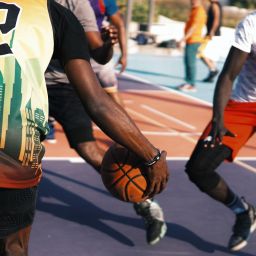
Organizing effective training sessions is crucial for the development and success of young athletes in any sports club. A well-structured training program not only enhances the skills and performance of the players but also fosters a positive and engaging team environment. In this article, we will delve into the details of how how can clubs organize volunteers”>clubs organize training sessions, providing valuable insights and practical advice for athletes, parents, and sports clubs.
Understanding the Objectives of Training Sessions
Before diving into the organization of training sessions, it’s essential to understand the objectives that these sessions aim to achieve. The primary goals of training sessions in youth sports include:
- Skill Development: Enhancing the technical, tactical, physical, and psychological skills of the players.
- Team Building: Encouraging teamwork, communication, and camaraderie among team members.
- Injury Prevention: Implementing practices that minimize the risk of injuries and promote overall health and well-being.
- Competition Preparation: Preparing the team for upcoming competitions, focusing on strategy, teamwork, and mental preparation.
Planning and Structuring Training Sessions
The organization of training sessions involves careful planning and structuring to ensure that the objectives are met effectively. Here are some steps and considerations in planning and structuring training sessions:
Setting Clear Goals and Outcomes
Each training session should have clear, achievable goals that align with the overall objectives of the team. Coaches should communicate these goals to the players at the beginning of the session to ensure everyone is on the same page.
Creating a Balanced Training Program
A balanced training program includes a mix of technical drills, tactical practices, physical conditioning, and mental preparation exercises. This balance is crucial for the holistic development of young athletes.
Scheduling and Timing
The frequency, duration, and timing of training sessions should be carefully planned. Considerations include the age and developmental stage of the players, the time of year (e.g., preseason, in-season, postseason), and the need for rest and recovery.
Incorporating Feedback and Evaluation
Feedback and evaluation are essential components of training sessions. Coaches should provide constructive feedback to help players improve, and there should be mechanisms for players to feedback on the training sessions to help coaches adjust and improve the training program.
Implementing Effective Training Methods
The way training sessions are implemented can significantly impact their effectiveness. Here are some effective training methods that clubs can adopt:
Small-Sided Games
Small-sided games are an excellent way to improve technical skills, decision-making, and teamwork in a game-like environment. These games can be adapted to focus on specific skills or tactics.
Conditioning and Strength Training
Incorporating conditioning and strength training into the program can enhance players’ physical abilities. However, these should be tailored to the age and developmental stage of the players, focusing on functional movements that relate to the sport.
Mental Preparation Techniques
Mental preparation is a critical aspect of sports performance. Techniques such as visualization, positive self-talk, and team-building activities can help prepare players mentally for competitions.
Creating a Positive and Supportive Training Environment
The environment in which training sessions are conducted plays a significant role in the development and engagement of young athletes. Here are some tips for creating a positive and supportive training environment:
Promoting Positive Feedback and Encouragement
Coaches and teammates should focus on providing positive feedback and encouragement. This helps build confidence and promotes a supportive team culture.
Encouraging Player Input and Ownership
Allowing players to have input into the training sessions, such as suggesting drills or deciding on small-sided game formats, can enhance their engagement and motivation.
Fostering a Growth Mindset
Emphasizing the value of effort, learning from failures, and embracing challenges can help foster a growth mindset among players, which is essential for continuous development and improvement.
Conclusion
Organizing training sessions is a multifaceted task that requires careful planning, effective implementation, and a deep understanding of the needs and objectives of the team. By focusing on clear goals, balanced training programs, effective training methods, and creating a positive and supportive environment, sports clubs can provide young athletes with the best possible foundation for development and success. Whether you are an athlete, a parent, or a member of a sports club, understanding how clubs organize tournaments“>clubs organize training sessions can help you contribute to or benefit from these organized efforts, ultimately enhancing the youth sports experience.