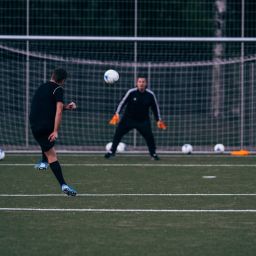
Measuring athlete performance is a crucial aspect of sports development, as it allows clubs to track progress, identify areas for improvement, and make informed decisions about training and competition. In this article, we will explore the various methods that clubs can use to clubs measure athlete performance”>measure athlete performance, providing helpful advice for athletes, parents, and sports clubs.
Introduction to Athlete Performance Measurement
Athlete performance measurement is a complex process that involves collecting and analyzing data on various aspects of an athlete’s performance. This can include physical attributes such as speed, strength, and endurance, as well as technical skills and tactical awareness. By measuring athlete performance, clubs can gain a deeper understanding of their athletes’ strengths and weaknesses, and develop targeted training programs to help them improve.
Methods for Measuring Athlete Performance
There are several methods that clubs can use to measure athlete performance, including:
Physical Testing
Physical testing is a common method used to measure athlete performance. This can include tests such as the 40-yard dash, vertical jump, and bench press, which provide a measure of an athlete’s speed, power, and strength. Clubs can also use more advanced testing methods, such as GPS tracking and heart rate monitoring, to gain a more detailed understanding of an athlete’s physical performance.
Technical Skill Assessment
Technical skill assessment is another important method for measuring athlete performance. This can include evaluating an athlete’s technique in specific skills such as throwing, catching, and kicking. Clubs can use video analysis and coaching feedback to assess an athlete’s technical skills and identify areas for improvement.
Game Performance Analysis
Game performance analysis is a method used to measure athlete performance in a competitive setting. This can include analyzing an athlete’s performance in games and tournaments, and using metrics such as goals scored, assists, and tackles won to evaluate their effectiveness. Clubs can also use video analysis and statistical software to gain a more detailed understanding of an athlete’s game performance.
Using Data to Inform Training and Development
Once clubs have collected data on athlete performance, they can use this information to inform training and development programs. This can include:
Identifying Areas for Improvement
By analyzing data on athlete performance, clubs can identify areas where athletes need to improve. For example, if an athlete is struggling with their speed and agility, the club can develop a training program that focuses on these areas.
Developing Targeted Training Programs
Clubs can use data on athlete performance to develop targeted training programs that address specific areas of improvement. For example, if an athlete is struggling with their technical skills, the club can develop a training program that focuses on technique development.
Monitoring Progress and Adjusting Training
Clubs can also use data on athlete performance to monitor progress and adjust training programs as needed. For example, if an athlete is not making progress in a specific area, the club can adjust their training program to focus on a different area.
Practical Tips for Athletes and Parents
Athletes and parents can also play an important role in measuring athlete performance. Here are some practical tips:
Keeping a Training Diary
Athletes can keep a training diary to track their progress and identify areas for improvement. This can include recording their training sessions, games, and tournaments, and tracking their physical and technical performance.
Working with Coaches and Trainers
Athletes can work with coaches and trainers to develop a training program that addresses their specific needs and goals. This can include setting goals and targets, and working together to develop a plan to achieve them.
Staying Motivated and Focused
Athletes can stay motivated and focused by setting goals and targets, and tracking their progress over time. This can include celebrating successes and learning from setbacks, and using data and feedback to inform their training and development.
Opportunities for Players
Measuring athlete performance can also provide opportunities for players to develop their skills and progress to higher levels of competition. Here are some ways that clubs can provide opportunities for players:
Developing Talent Identification Programs
Clubs can develop talent identification programs to identify and develop young athletes with potential. This can include providing coaching and training programs, and offering opportunities to compete at higher levels.
Providing Access to Advanced Training and Competition
Clubs can provide access to advanced training and competition, such as national and international tournaments, to help athletes develop their skills and gain experience.
Offering Scholarships and Bursaries
Clubs can offer scholarships and bursaries to help athletes access training and competition opportunities that they may not otherwise be able to afford.
Conclusion
Measuring athlete performance is a crucial aspect of sports development, as it allows clubs to track progress, identify areas for improvement, and make informed decisions about training and competition. By using a range of methods, including physical testing, technical skill assessment, and game performance analysis, clubs can gain a comprehensive understanding of athlete performance and develop targeted training programs to help them improve. Athletes and parents can also play an important role in measuring athlete performance, by keeping a training diary, working with coaches and trainers, and staying motivated and focused. By providing opportunities for players to develop their skills and progress to higher levels of competition, clubs can help athletes achieve their full potential and succeed in their chosen sport.